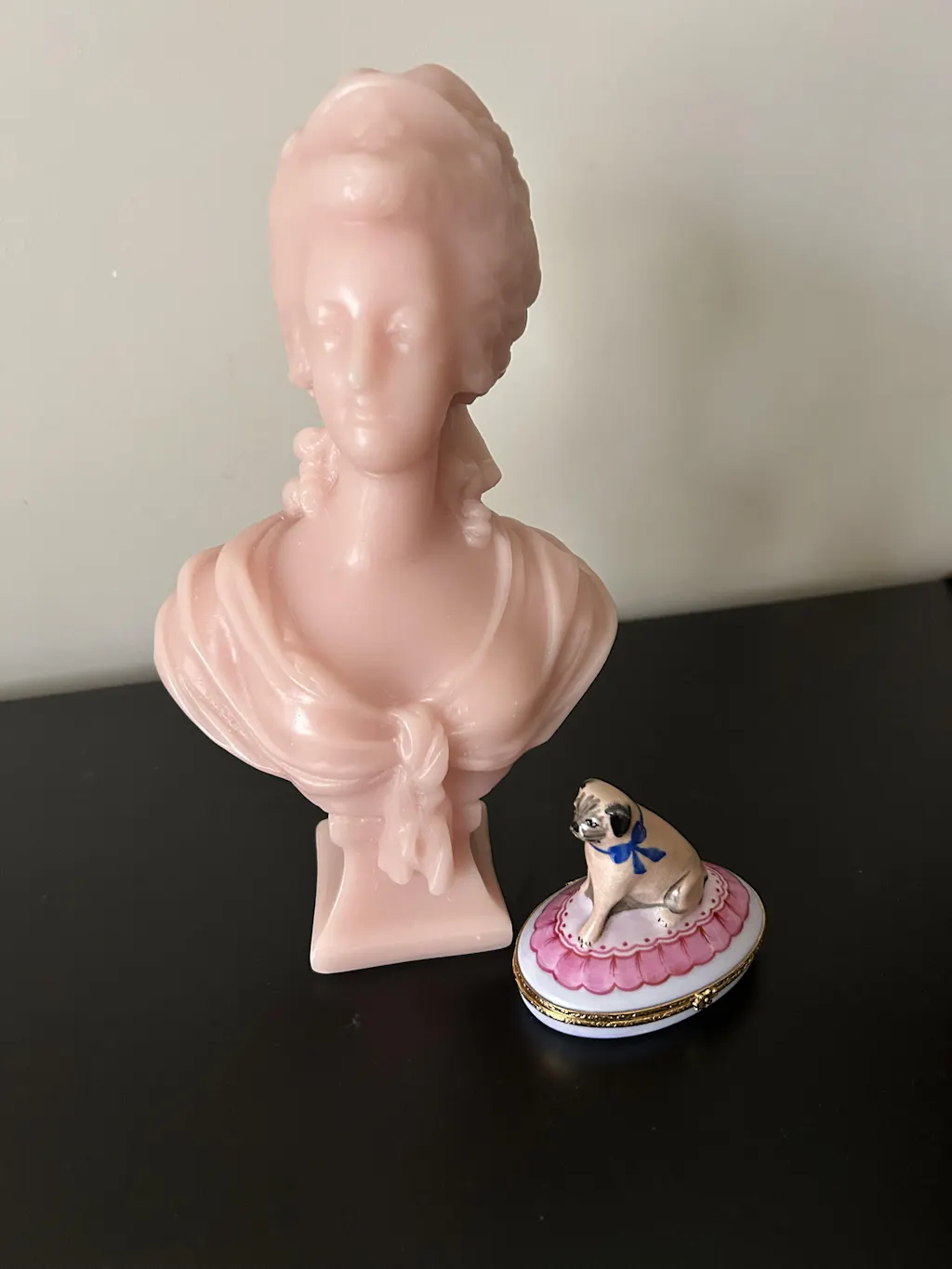
The history of Limoges is inseparable from French craftsmanship, regional geology, and the rise of fine porcelain in Europe. What began as a settlement with deep roots in central France later became a world-famous name associated with hand-painted artistry, collectible trinket boxes, and elegant decorative porcelain.
Limoges gained its reputation through patience, skill, and access to the white clay that made true porcelain possible. Over time, the city developed from a trade center into a celebrated hub for ceramics, and its name now signals quality to collectors, gift buyers, and porcelain lovers around the world.
How Limoges Became Known for Fine Porcelain
Long before porcelain production defined the region, Limoges was an important city in central France with strong commercial connections. Those trade routes helped local artisans exchange ideas, materials, and techniques. As European demand for refined tableware and luxury goods grew, makers in the area began experimenting with harder, brighter, more durable porcelain bodies.
The story of Limoges porcelain is really the story of how French artisans refined imported inspiration into something distinctly their own. Instead of copying foreign styles alone, they developed local methods that produced porcelain prized for its translucence, smooth finish, and delicate decoration.
Kaolin and the Breakthrough That Changed the Region
The defining moment in the history of Limoges porcelain came with the discovery of kaolin near Saint-Yrieix-la-Perche in the late eighteenth century. Kaolin is the white clay essential to hard-paste porcelain, and its discovery gave French manufacturers the key ingredient they had been searching for.
This material allowed artists and factories to create pieces that were stronger, whiter, and more refined than earlier soft-paste ceramics. It also helped establish Limoges as a serious competitor to other European centers of porcelain production.
Why kaolin mattered:
- Purity: It produced a clean white body ideal for painting and gilding.
- Durability: Fired pieces were stronger and more practical for everyday use.
- Elegance: The smooth surface made fine detail possible.
- Value: The material elevated Limoges from regional pottery to luxury porcelain.

As production grew, the region developed a distinct identity built on quality control, hand finishing, and elegant design. That combination still defines the appeal of authentic Limoges porcelain today.
Royal Taste, Decorative Boxes, and the Rise of Collectibles
French aristocrats helped shape demand for luxurious porcelain during the eighteenth century. Elaborate tea services, small presentation pieces, and decorative boxes became symbols of taste and refinement. Marie Antoinette is often associated with this era of opulence, when finely decorated objects were treasured both for beauty and for status.
Over time, artisans adapted their work to changing fashions. Snuffboxes gave way to keepsake containers, and later to the miniature porcelain boxes collectors know today. These pieces preserved the same spirit of craftsmanship while becoming more personal and giftable.

Collectors value these boxes because each one combines sculpture, painting, and utility in a small format. Whether the theme is floral, romantic, whimsical, or historical, every piece reflects the same heritage that made Limoges famous.
From Factory Traditions to Modern Limoges Boxes
In the nineteenth century, the Limoges porcelain industry expanded as manufacturers refined production methods and built stronger export networks. Factories and ateliers began producing a wider range of items, including figurines, tableware, vases, and ornamental boxes. The city’s reputation grew not only because of scale, but because quality remained central to the process.
Modern Limoges boxes continue that legacy. They are still made with careful molding, hand painting, and kiln firing, and many are finished with metal mounts and detailed clasps. This is one reason collectors still seek them out as heirloom gifts and display pieces.
How to Recognize Authentic Limoges Porcelain
If you are studying the history of Limoges porcelain or shopping for a collector’s piece, authenticity matters. Genuine pieces usually show clear craftsmanship, consistent finishing, and marks that identify the maker or atelier.
- Look for marks: Common identifiers include Limoges France, Peint Main, and factory signatures.
- Inspect the painting: Hand-applied detail should look layered rather than printed.
- Check the structure: Quality hinges, crisp edges, and secure closures are good signs.
- Buy from trusted sources: Reputable sellers can help confirm age, style, and provenance.

Backstamps, painter initials, and atelier marks can help narrow down a piece’s origin, although skilled collectors also study shape, enamel quality, and the style of decoration. When in doubt, compare the piece with known examples from established Limoges makers.
Why Limoges Still Matters to Collectors
Today, Limoges remains a respected name in French porcelain because it balances heritage and artistry. Its appeal goes beyond nostalgia: these pieces are still admired for their precision, charm, and versatility as gifts, décor, and personal keepsakes.
At Limoges Boutique, we celebrate that legacy with authentic, hand-painted pieces sourced from the Limoges region of France. From elegant florals to collectible landmark designs, each item reflects the enduring history of Limoges and the artistry behind French porcelain.

Visitors who travel to the region can also explore museums, workshops, and historic streets that reflect centuries of ceramic tradition. The city’s cultural identity is still closely tied to its porcelain heritage, making it one of the most recognizable names in French decorative arts.
A Simple Timeline of the History of Limoges
- Roman and medieval eras: Limoges grows as a settlement and trade center.
- 18th century: Kaolin discovery helps launch hard-paste porcelain production.
- 19th century: Factories expand, and decorative porcelain gains international demand.
- Today: Limoges continues to stand for authentic French porcelain and collectible boxes.

The modern market includes both traditional and contemporary themes, but the heart of the craft has not changed. Each piece still depends on skilled hands, careful firing, and the kind of detail that gives Limoges its lasting value.
Care Tips for Limoges Porcelain Collectors
- Dust gently: Use a soft, dry cloth or brush.
- Avoid abrasives: Harsh cleaners can damage paint and glaze.
- Store carefully: Keep boxes wrapped or padded to protect hinges and edges.
- Handle with clean hands: Oils can dull delicate finishes over time.
 If you are building a collection, these simple habits can help preserve both beauty and value. Well-cared-for pieces often remain vibrant for generations.
Frequently Asked Questions About Limoges Porcelain
What makes Limoges porcelain different from other French ceramics?
Its connection to kaolin, hard-paste production, and hand-painted finishing gives it a distinctive look and feel that collectors recognize immediately.
Are Limoges boxes still made in France?
Yes. Authentic pieces are still produced in and around Limoges by skilled artisans and respected ateliers that continue traditional methods.
Why are Limoges boxes so collectible?
They combine fine porcelain, miniature artwork, and practical charm, which makes them appealing as gifts, display pieces, and heirlooms.
Explore Authentic Pieces Inspired by the History of Limoges
If you love French porcelain, now is the perfect time to browse our collection and find a piece that reflects the elegance of the history of Limoges. Whether you are shopping for a special occasion or adding to a personal collection, we invite you to discover hand-painted designs that carry the spirit of France into your home.
Shop Limoges Boutique today to explore authentic porcelain boxes, memorable gifts, and timeless collectible designs.