Collections
Browse by Collections
Browse by Collections


A tiny hand-painted box can hold far more than a ring, a note, or a cherished memory. It can hold the work of a French artisan, a recognizable tradition of decorative art, and a story that has endured for generations. But is porcelain valuable? Sometimes very much so. Its value depends less on the word “porcelain” alone and more on where it was made, who made it, how it was decorated, its condition, and whether collectors have reason to seek it out.
For a thoughtful gift buyer, that distinction matters. A fine porcelain treasure is not valuable merely because it looks elegant on a dresser or catches the light in a curio cabinet. Its lasting appeal comes from authentic materials, skilled workmanship, and the emotion it carries from one occasion to the next.
Porcelain can be valuable, but quality and provenance determine whether it is a modestly priced decorative object or a serious collectible. Fine antique porcelain from respected European factories, rare hand-painted pieces, limited designs, and porcelain in exceptional condition often command greater interest than mass-produced pieces made for the souvenir market.
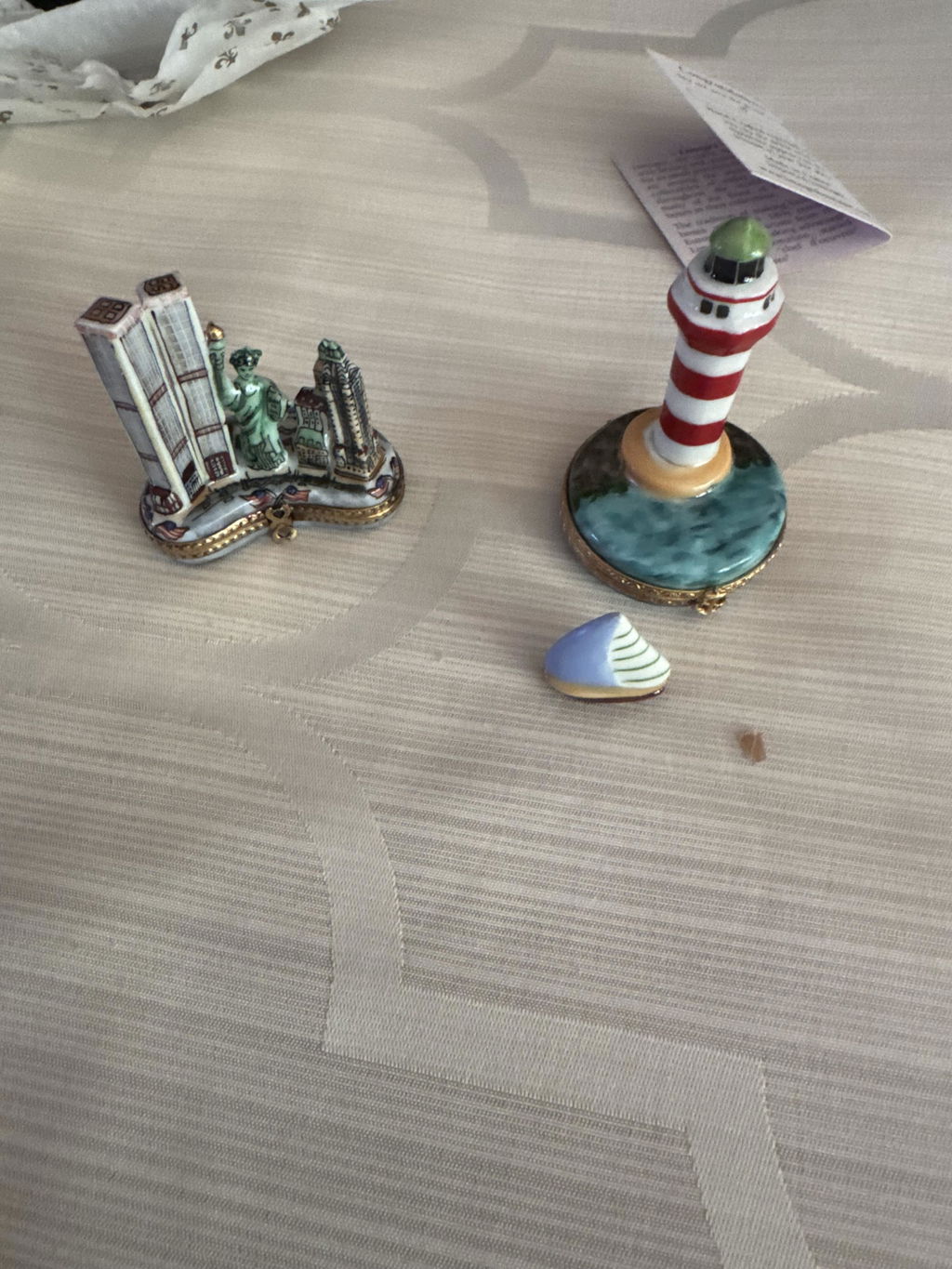
Limoges porcelain occupies a particularly admired place in this conversation. The Limoges region of France became celebrated for its pure white kaolin clay and for the artistry of the workshops that transformed it into refined tableware, figurines, and hinged boxes. An authentic Limoges box, made and hand-painted in Limoges, France, represents a living tradition rather than an imitation of one.
Still, not every item bearing the word “Limoges” has the same standing. Some pieces were decorated elsewhere, some are reproductions, and others use the name loosely. Collectors look for clear evidence of French manufacture and a level of detail that reflects genuine hand craftsmanship.
The strongest porcelain values usually arise where several qualities meet. A piece with French origin, a known maker, beautiful hand painting, a scarce subject, and pristine condition will generally be more desirable than a similar piece with uncertain history or visible damage.
Country of origin is often the first question. French, English, German, Chinese, and Japanese porcelain traditions each have their own history, materials, makers, and collector base. Within those traditions, a documented factory or workshop can add considerable confidence.
For Limoges boxes, authenticity begins with manufacture in Limoges, France. True examples are crafted from hard-paste porcelain and individually decorated by artisans. Their small scale should not be mistaken for simplicity. The molding, firing, painting, metalwork, and fitting of a hinged clasp all require practiced hands. That labor is part of what makes an authentic box so special to give and to collect.
Hand painting gives porcelain character. Slight variations in brushwork, shading, and tiny decorative details are not flaws when they reflect the hand of an artisan. They are signs that the piece did not simply pass through an automated decorating process.
The most compelling designs show care in the smallest places: the expression on a little dog, the veining on a flower petal, the color transitions on a holiday ornament, or the gold detailing around an elegant motif. A collector may be drawn to a particular subject, but artistry is what invites a second look.
Marks on the underside of porcelain can offer useful clues about its history. They may identify a factory, workshop, decorator, artist, or country of origin. On authentic French Limoges boxes, collectors often expect markings that support their origin, along with the artisan’s signature or initials when applicable.
A mark is not a price tag. It must be read in context, since marks have changed over time and can be copied or misunderstood. However, a clear, appropriate mark can help distinguish a collectible piece from an unverified look-alike. When value matters for insurance, estate planning, or resale, professional appraisal guidance is far more reliable than an internet search or a quick comparison photo.
Rarity has meaning only when someone wants the piece. A design made in small numbers may be less valuable if it has little collector interest, while a popular limited design can become especially sought after. Retired motifs, unusual shapes, holiday editions, artist-signed boxes, and finely executed figurals may attract devoted collectors.
Personal demand matters, too. A bride and groom box, a baby shoe, a favorite breed of dog, or a miniature Paris landmark may speak directly to a recipient’s life. Its market value and sentimental value are not the same, yet both can make a piece worth keeping.
Porcelain is beautiful because it is delicate. Chips, hairline cracks, repairs, discoloration, missing metal fittings, and worn hand-painted details can reduce collectible value substantially. Even a small flaw may matter because pristine examples are often available to discerning buyers.
For hinged Limoges boxes, inspect the porcelain body, the clasp, and the hinge. The lid should close properly, the metalwork should be secure, and the decoration should remain bright and intact. Original presentation packaging can be a welcome addition, particularly for newer collectible pieces, but it does not replace the importance of the box itself.
Condition should also be evaluated with generosity and realism. An antique object that has survived a century may show gentle evidence of age. A rare piece can remain meaningful despite imperfections, especially when it carries a family history. Yet buyers should understand repairs and damage before assigning a premium value.
A piece can be lovely without being rare, old, or highly valuable. Department-store figurines, imported souvenir plates, and factory-made trinket boxes may bring pleasure to their owners, but their resale value is often modest because they were produced in large quantities and lack documented artistry or provenance.
This is not a judgment on taste. It is simply the difference between decorative appeal and collector demand. If your goal is to choose a gift with enduring character, authentic origin and hand workmanship are more meaningful guides than a generic “Made in” label or a familiar pattern alone.
Begin by turning the piece over carefully and photographing every mark, signature, number, and label. Note its dimensions, subject, condition, and any information you have about when or where it was acquired. Family stories are worth recording, even when they cannot be independently confirmed.
Then compare it thoughtfully with known examples from the same maker or tradition. Avoid assuming that an asking price is a sale price. Online listings can be useful for recognizing a pattern, but they rarely establish a true valuation. The strongest evidence comes from authenticated comparable sales, knowledgeable specialists, and formal appraisals prepared for the purpose you need.
If you are building a collection rather than selling one, buy what you genuinely love. Choose pieces with clear French origin, fine painting, secure fittings, and subjects that make you smile. A curated collection of authentic boxes gathered over birthdays, anniversaries, travels, and holidays often becomes more meaningful with time because every piece marks a chapter.
The financial value of porcelain can rise, hold steady, or change with collector tastes. It should not be treated as a guaranteed investment. A finely made Limoges box is better understood as a collectible work of art: one that offers beauty now, can be passed on later, and may retain value because skilled craftsmanship is never ordinary.
At Limoges Boutique, we have seen how often a small porcelain box becomes the object a family member remembers most. Not because it was the largest gift, but because it was chosen with care. When authenticity, artistry, and personal meaning come together, porcelain becomes more than valuable. It becomes a keepsake with a place in someone’s story.
{"one"=>"Select 2 or 3 items to compare", "other"=>"{{ count }} of 3 items selected"}