Collections
Browse by Collections
Browse by Collections


A porcelain box can be small enough to rest in the palm of a hand, yet carry centuries of material knowledge, artistic tradition, and sentiment. When considering French porcelain versus bone china, the most meaningful difference is not simply which one appears more refined. It is how each material is made, where its tradition began, and what that heritage brings to the object you choose to give or collect.
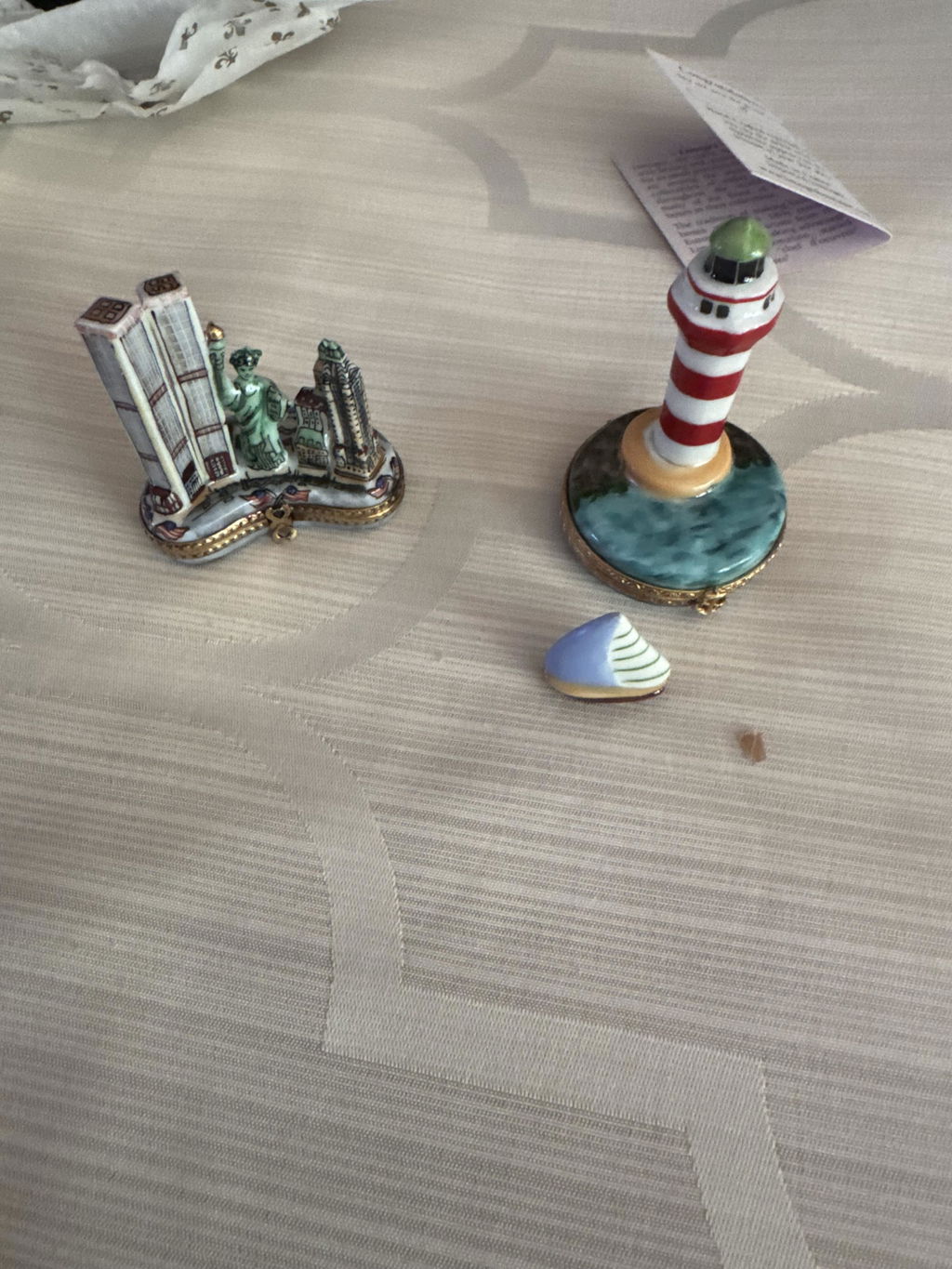
For a hand-painted Limoges box, French porcelain is part of the story from the beginning. The porcelain body, the artist’s brushwork, the fitted metal clasp, and the tiny surprise inside come together as a lasting French treasure. Bone china has its own celebrated qualities, particularly in fine tableware, but it represents a distinct material tradition.
French porcelain refers broadly to porcelain made in France, often associated with historic centers of production such as Limoges, Sèvres, and Paris. It is not a single recipe. France has produced soft-paste porcelain, hard-paste porcelain, and other refined ceramic bodies over the centuries. When collectors speak of Limoges porcelain, they generally mean a high-quality French hard-paste porcelain shaped by the region’s exceptional deposits of kaolin, or white clay.
Bone china is defined by its composition rather than its place of origin. Traditional bone china contains bone ash, usually derived from cattle bone, blended with clay and other mineral materials. Developed in England, it became especially admired for its creamy warmth, notable translucence, and strength relative to its delicacy.
That distinction matters. A piece may be French and porcelain without being bone china. A bone china cup may be made in England, the United States, or elsewhere and still be bone china. Neither label, standing alone, guarantees superior artistry, authenticity, or collector value. Those qualities depend on the maker, origin, decoration, condition, and level of craftsmanship.
Limoges became synonymous with fine porcelain after kaolin was discovered near the city in the 18th century. The mineral allowed French workshops to produce true hard-paste porcelain, a luminous yet durable material capable of receiving beautifully detailed decoration.
Authentic Limoges porcelain boxes are especially admired because their small scale demands precision. A painter may create a garden of roses, a whimsical dog, a holiday scene, or a meaningful wedding motif on a surface only a few inches wide. The workmanship must remain crisp and balanced around curves, hinges, and edges. Fine details are not merely printed onto an object as an afterthought. They are part of the artistic character that makes each box feel personal.
Hard-paste French porcelain often has a clean white body beneath its glaze. Depending on the form and finish, it can look bright, glassy, delicate, and beautifully light-reflective. This clarity gives hand-painted color a particularly lovely presence, from a soft blush on a flower petal to jewel-like blues and greens on a figurative design.
For collectors, provenance is equally important. A genuine Limoges box made in Limoges, France represents a regional craft tradition and the labor of skilled French artisans. The identifying marks on the underside can help tell that story, although marks should always be considered alongside construction, painting quality, and overall authenticity.
Bone china is often recognized by a gentle ivory or creamy cast rather than a pure, cool white. When held to light, a fine bone china piece can appear remarkably translucent. Its composition also gives it impressive resilience, which is one reason it became a favorite material for elegant dinnerware and tea services.
The warm tone is an appeal for many collectors and hosts. A formal bone china place setting can make candlelight feel softer, and its comparatively strong body is practical for items that are handled frequently. For heirloom tableware, these are meaningful advantages.
Still, translucence alone should not decide a purchase. A Limoges trinket box is not expected to serve the same function as a dinner plate or cup. Its value rests more deeply in its French origin, hand-painted decoration, sculptural form, hinged construction, and emotional relevance. A tiny porcelain champagne bottle for an anniversary or a hand-painted baby shoe for a new arrival is chosen to commemorate a moment, not simply to coordinate with a table setting.
Both fine French porcelain and bone china deserve thoughtful handling. Each can chip or crack when dropped, knocked against a hard surface, or exposed to sudden temperature changes. Their beauty is enduring, but neither material is indestructible.
Bone china is frequently considered the stronger choice for regular-use tableware because bone ash contributes to a tough, refined body. This does not mean every bone china piece is equally sturdy. Thickness, firing, glaze, design, and manufacturing standards all affect durability.
French hard-paste porcelain is also a strong and highly vitrified material, particularly when properly made and fired. Yet an authentic painted Limoges box should be treated as a decorative collectible rather than everyday utility ware. Dust it gently with a soft cloth, store it where it will not rub against other hard objects, and lift it by the body rather than pulling at the clasp or hinge.
For a cherished box with metal fittings, avoid soaking, abrasive cleaners, harsh chemicals, and dishwasher cycles. These can dull gilded details, affect painted surfaces, or compromise the adhesive and fittings over time. If the piece has a tiny interior figurine, take special care when opening and closing it so that the surprise remains as delightful as the day it was discovered.
It depends on what you want the gift to say. Bone china is an elegant choice for someone building a tea service, replacing treasured dinnerware, or hosting memorable meals. It is gracious, useful, and often ideal for a bride, a dedicated entertainer, or a family that values formal traditions.
French porcelain, especially an authentic hand-painted Limoges box, answers a different kind of occasion. It offers the pleasure of a keepsake chosen for one person and one story. A collector of animals may treasure a particular breed rendered in porcelain. A traveler may smile at a miniature Eiffel Tower or suitcase. For a milestone birthday, wedding, graduation, holiday, or baby celebration, the right motif can preserve a memory in a way a conventional gift rarely can.
This is also where authenticity becomes essential. French-inspired merchandise can be charming, but it is not the same as an item genuinely made in Limoges, France. Buyers who value artistry, cultural heritage, and lasting collectible significance should look beyond a broad description such as “porcelain” or “French style.” Ask where the piece was made, whether it is hand-painted, and whether its marks and workmanship support its claimed origin.
When choosing between French porcelain and bone china, material is a starting point, not the final verdict. A beautifully made bone china tea cup can become a beloved family piece. A finely painted Limoges box can become the small object a recipient reaches for whenever they want to remember a wedding day, beloved pet, or first Christmas together.
For collectible French porcelain, examine the painting with care. Look for expressive detail, clean color, thoughtful placement of gold accents, and a form that feels harmonious from every angle. The hinge should open smoothly, the clasp should align properly, and the interior should be finished with the same attention given to the exterior. Condition matters greatly, especially for older pieces, since chips, repairs, cracks, and wear can affect both appearance and value.
At Limoges Boutique, we believe the most meaningful porcelain is never merely decorative. It is a small work of French artistry, selected with affection and kept close through the occasions that shape a life.
A lovely choice begins with the person who will receive it. Choose bone china when the pleasure lies in shared meals and everyday ceremony; choose authentic French porcelain when the gift should hold a story all its own.
{"one"=>"Select 2 or 3 items to compare", "other"=>"{{ count }} of 3 items selected"}