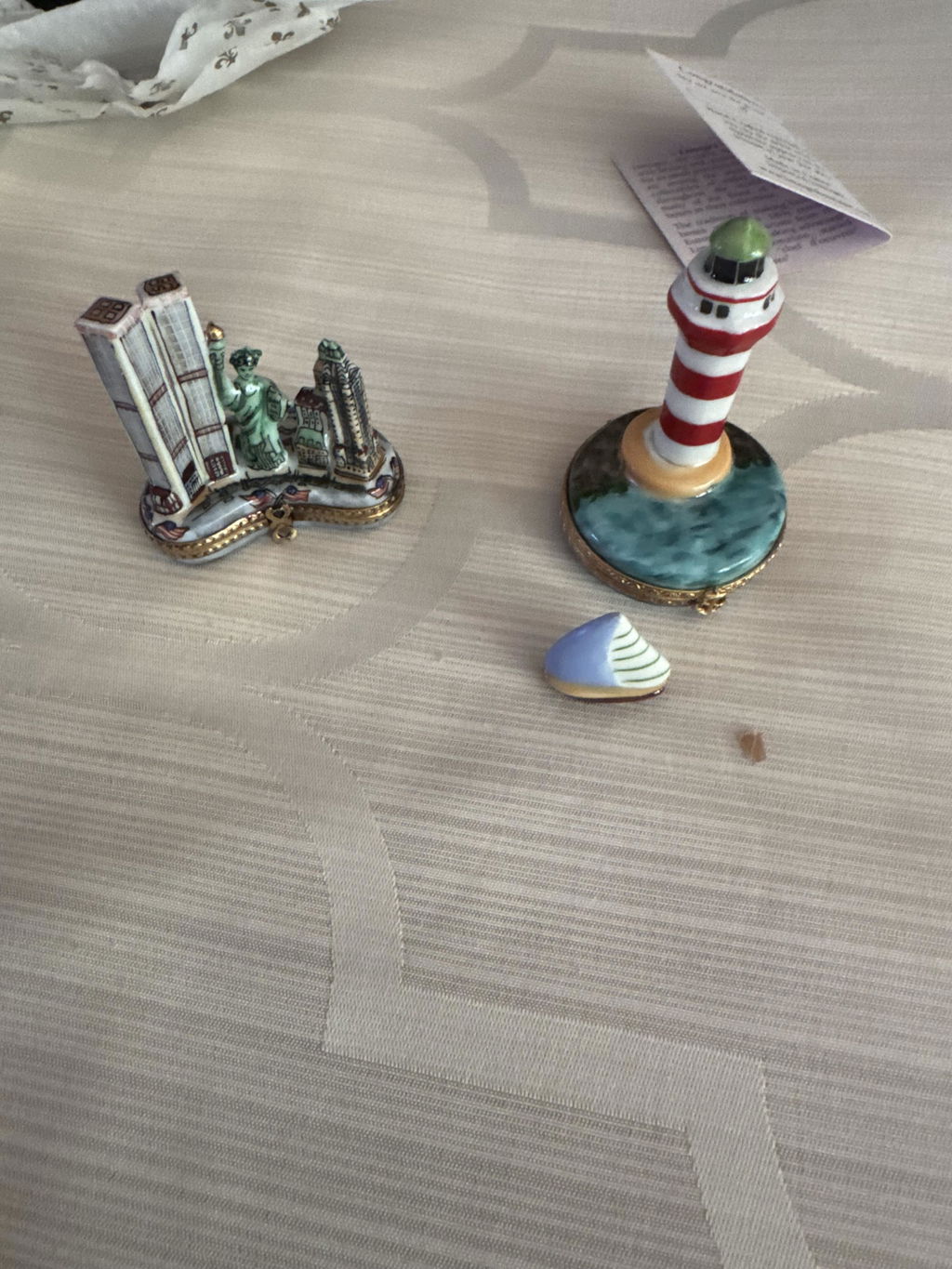
Tucked away in central France, Limoges is a captivating city that blends centuries of artistic excellence, historical depth, and vibrant modern culture. Widely celebrated as the "porcelain capital of France," Limoges is globally renowned for its exquisite ceramics, but its allure extends far beyond pottery. From medieval enamels to Gothic architecture, hearty regional cuisine, and cutting-edge design events, this gem in the Limousin region offers a rich tapestry of experiences for travelers, history enthusiasts, and art lovers. In this comprehensive blog post, we'll explore in depth what makes Limoges famous, diving into its historical roots, culinary traditions, and contemporary attractions. Whether you're searching for "Limoges travel tips," planning a "French porcelain tour," or curious about "famous French cities," this guide will uncover the multifaceted charm of Limoges with detailed insights to inspire your next adventure.
Historical and Cultural Heritage
Limoges boasts a legacy stretching back to Roman times, when it was known as Augustoritum Lemovicum, a thriving hub. Today, its fame is anchored in artisanal craftsmanship and architectural treasures that have endured through the ages.
- Limoges Porcelain: The city's crown jewel, Limoges porcelain, emerged in the 18th century after the discovery of kaolin clay in nearby Saint-Yrieix-la-Perche, revolutionizing French ceramics. Known for its translucency, durability, and intricate designs, Limoges china adorns tables worldwide, from royal collections to modern dining rooms. The Musée National Adrien Dubouché showcases over 300,000 pieces, offering a deep dive into the evolution of this craft. Factories like Haviland and Bernardaud continue the tradition, providing guided tours where visitors can observe hand-painting and gilding techniques. This isn’t just a historical craft; it’s a living art form, with contemporary pieces featured in luxury collaborations, such as Dior’s floral-motif Limoges porcelain collections. Antique enthusiasts prize vintage Limoges trinket boxes and plates from the 19th and 20th centuries, often hand-painted and signed by master artisans.
- Enamel Art and Limoges Enamels: Before porcelain, Limoges enamels defined the city’s artistic reputation during the Middle Ages. Renowned for champlevé and painted techniques, these vibrant works adorned religious relics, jewelry, and decorative objects during the Renaissance. The Musée des Beaux-Arts de Limoges houses masterpieces by artists like Léonard Limosin, a 16th-century enamel virtuoso. This craft’s vivid colors and durability continue to inspire, connecting Limoges to broader European artistic traditions and influencing modern jewelry design.
- Medieval Architecture and Cathedrals: The Limoges Cathedral (Cathédrale Saint-Étienne) is a Gothic masterpiece, constructed between 1273 and 1888, featuring stunning stained-glass windows, a 10th-century crypt, and sculptures inspired by the Book of Revelations. The Butcher’s Quarter (Quartier de la Boucherie) enchants with half-timbered houses and cobblestone streets, evoking the Middle Ages in France. Another architectural gem is the Gare des Bénédictins, an Art Deco train station celebrated as one of France’s most beautiful, blending historical elegance with modern functionality. These sites make Limoges a haven for architecture enthusiasts.
- Ostensions and Historical Traditions: Every seven years, Limoges hosts the Ostensions Limousines, a UNESCO-recognized event dating to 994, featuring processions of saintly relics originally intended to ward off plagues. This vibrant tradition draws visitors for its colorful parades and deep cultural significance. Additionally, the French verb “limoger” (to dismiss) originates from World War I, when underperforming officers were reassigned to Limoges, adding a quirky linguistic footnote to the city’s history.
Culinary Delights and Local Specialties
As part of the Limousin region, Limoges is a culinary destination that celebrates farm-fresh ingredients and time-honored recipes, offering a taste of authentic French regional food.
- Limousin Cuisine: The city’s gastronomic fame shines through dishes like clafoutis, a cherry custard dessert originating in the Limousin region, made with local orchard fruits. Limousin beef, sourced from grass-fed cattle, is prized for its rich flavor and tenderness, starring in hearty stews or grilled dishes at local eateries. Visitors can savor chestnut-based sweets, regional cheeses like Rocamadour, and seasonal produce at bustling Limoges markets, perfect for a riverside picnic along the Vienne.
- Wine and Gastronomy Scene: While not as famous as Bordeaux, Limoges enjoys access to Corrèze wines and hosts food festivals that celebrate French gastronomy. Local restaurants blend tradition with innovation, offering modern takes on classic dishes. Iconic spots, such as bistros with historical ties to the city’s artisanal past, serve as gathering places for locals and tourists alike. Food tours highlight markets like Place de la Motte, where visitors can sample local aperitifs, olives, and fresh pastries, immersing themselves in the region’s farm-to-table ethos.
- Iconic Eateries and Markets: The covered market at Place de la Motte is a sensory delight, with vendors offering fresh meats, cheeses, and baked goods. Pair a market visit with a meal at a nearby bistro for an authentic Limoges dining experience. Seasonal specialties, like chestnut treats in autumn, reflect the region’s rural heritage and commitment to sustainable cuisine, making Limoges a hidden gem for food lovers.
Modern Attractions and Events
While steeped in history, Limoges thrives as a dynamic city with contemporary attractions, from innovative art exhibitions to outdoor adventures, appealing to a wide range of visitors.
- Contemporary Art and Design: Limoges is carving out a reputation as a hub for modern French design. The Biennale de Design showcases innovative uses of porcelain and enamel, blending tradition with cutting-edge creativity. Exhibitions like “Limoges, Art Déco 1925/2025” at the Four des Casseaux highlight forgotten manufacturers, displaying exceptional pieces that bridge past and present. The city’s global connections, such as its porcelain exchange with China’s Jingdezhen, foster international collaborations, while repurposed historical sites inspire urban exploration and artistic innovation.
- Parks and Outdoor Activities: The Jardin Botanique de l’Évêché offers serene gardens filled with rare plants, ideal for a peaceful stroll. The nearby Vienne River provides opportunities for hiking in Limousin, cycling, or scenic walks, with trails leading to the Périgord region, famous for truffle hunting and prehistoric caves. Summer brings free outdoor concerts and events, blending nature with cultural experiences and enhancing Limoges’ appeal as a year-round destination.
- Festivals and Cultural Events: The Francophonies en Limousin festival celebrates French-language theater, music, and dance, hosted in historic venues across the city. These events draw international performers, showcasing Limoges’ cultural vibrancy through diverse, creative performances. The city also hosts sporting events, such as basketball games by the local CSP team, adding to its lively community spirit. Seasonal markets and cultural fairs further highlight Limoges as a dynamic destination.
Limoges in Popular Culture and Beyond
Limoges leaves its mark in unexpected ways, from linguistic quirks to famous residents, adding depth to its global reputation.
- Linguistic and Historical Quirks: The term “limoger,” meaning to dismiss or sack, stems from World War I, when underperforming officers were sent to Limoges, a historical anecdote that adds a unique layer to the city’s story. Streets like “Monte à Regrets” hint at darker histories, tied to medieval executions, blending folklore with local legend.
- Famous Figures and Connections: Limoges is the birthplace of Impressionist painter Pierre-Auguste Renoir, whose resilience against rheumatoid arthritis inspired his vibrant works. The city also has World War II significance, with ties to resistance efforts and figures like SOE agent Violette Szabo, who was imprisoned here.
- Global and Modern Ties: From exporting porcelain to fostering cultural exchanges with regions like Bavaria and China, Limoges maintains a global presence. Its reputation for clean air and under-the-radar charm makes it a refreshing alternative to France’s more touristy destinations, appealing to those seeking authentic experiences.
Practical Tips for Visiting Limoges
- Getting There: The Gare des Bénédictins connects Limoges to major cities like Paris and Bordeaux via high-speed trains. The city’s compact size makes it easy to explore on foot or by bike.
- Top Attractions: Prioritize the Musée National Adrien Dubouché for porcelain, the Limoges Cathedral for history, and the Butcher’s Quarter for medieval charm. Don’t miss market days at Place de la Motte for a taste of local life.
- Best Time to Visit: Spring and autumn offer mild weather, ideal for outdoor activities and festivals like the Francophonies en Limousin. The Ostensions Limousines (next in 2030) is a rare cultural highlight.
In conclusion, Limoges is far more than its porcelain legacy—it’s a vibrant blend of history, art, cuisine, and modern innovation that embodies the heart of central France. Whether you're drawn to Limoges porcelain, medieval architecture, or Limousin cuisine, this city offers endless discoveries. Planning a trip? Share your Limoges travel plans in the comments, or subscribe for more guides on famous French cities! For the latest Limoges events or French travel tips, keep exploring with us.
コメントを残す