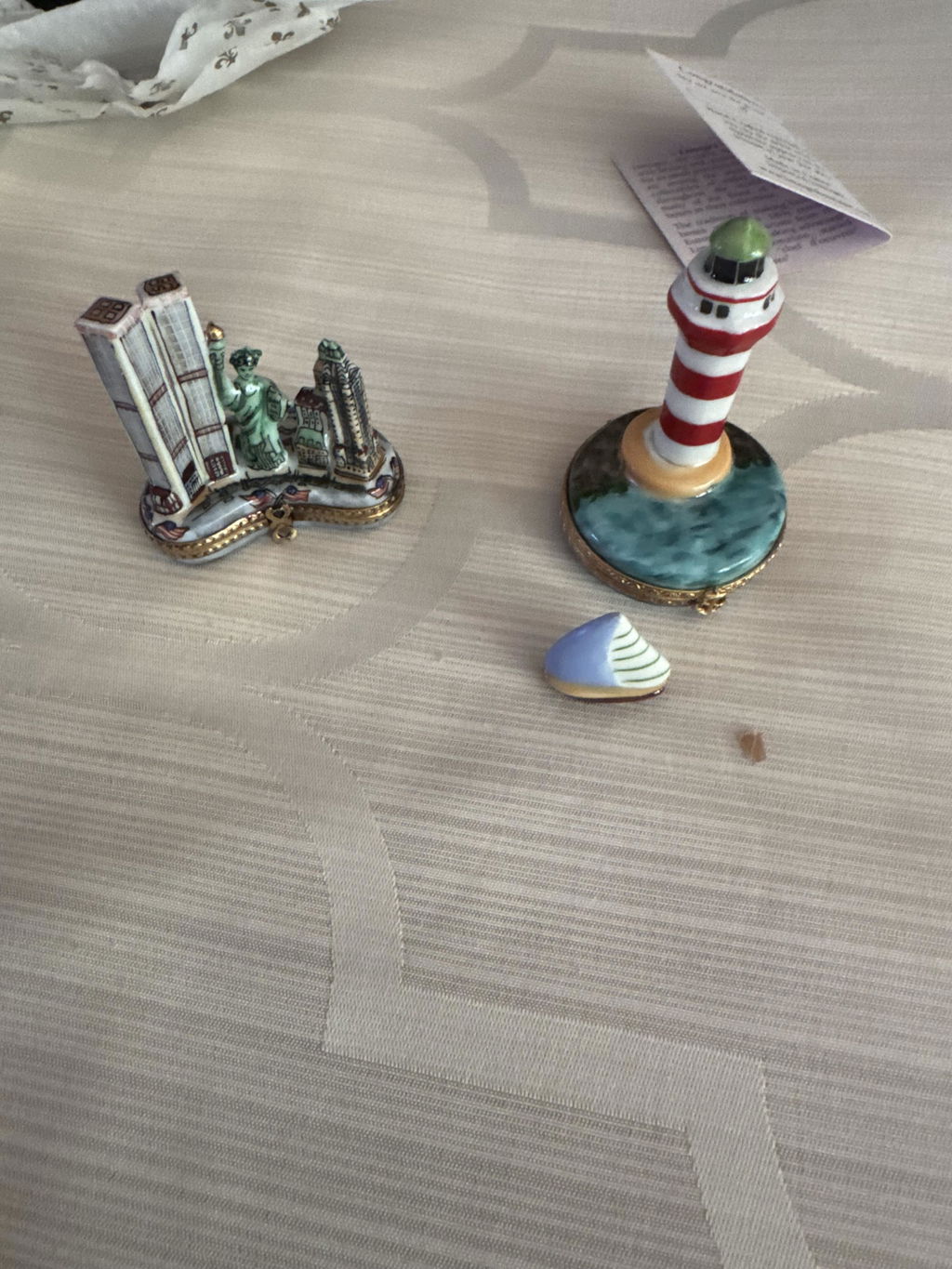
In the world of antique French porcelain, few names evoke the elegance and craftsmanship quite like Charles Ahrenfeldt Limoges. This storied brand, rooted in the Limoges porcelain tradition, represents a fascinating chapter in French porcelain history. Founded by a German immigrant with a passion for ceramics, the company evolved from humble importing beginnings to a powerhouse of high-quality tableware production. Collectors today prize Ahrenfeldt Limoges pieces for their intricate designs, gold accents, and historical significance. In this deep-dive blog, we'll explore the origins, milestones, marks, and enduring legacy of Charles Ahrenfeldt, drawing on historical insights to paint a vivid picture of this iconic Limoges porcelain maker. Whether you're searching for vintage Limoges china details or planning to add to your collection, this guide uncovers the timeless appeal of Ahrenfeldt porcelain.
The Origins of Charles Ahrenfeldt
The story of Charles Ahrenfeldt Limoges begins with its founder, a visionary entrepreneur who bridged continents in pursuit of porcelain excellence. Here's a closer look at the early years:
-
Founder's Background and Early Ventures: Born in Germany in 1807, Charles Ahrenfeldt (senior) immigrated to the United States, where he began importing porcelain to New York City in the 1830s.
His keen eye for quality soon led him to Paris in the 1840s, where he established a porcelain decorating studio, honing skills that would define his legacy.
By the 1860s, Ahrenfeldt expanded his operations with an exporting firm in Limoges, France, the epicenter of kaolin-rich clay that fueled the region's porcelain boom.
This move positioned him at the heart of French ceramics production, blending European artistry with American market savvy.
-
Shift to Manufacturing in Limoges: In 1884, Ahrenfeldt took a pivotal step by opening a decorating factory in Limoges and venturing into full-scale porcelain manufacturing.
This era marked the brand's transformation from decorator to producer, capitalizing on Limoges' renowned hard-paste porcelain techniques, which had been perfected since the late 18th century.
His pieces, often featuring hand-painted floral motifs and gold trims, catered to upscale tastes in Europe and America.
-
Family Influence and Succession: Ahrenfeldt's passion was inherited by his son, Charles J. Ahrenfeldt (born 1856), who assumed control after his father's death in 1894.
The younger Ahrenfeldt continued the family tradition, focusing on innovation while maintaining the high standards that made Ahrenfeldt Limoges synonymous with luxury.
Key Milestones in Ahrenfeldt Limoges History
From expansion to accolades, the timeline of Charles Ahrenfeldt Limoges is dotted with achievements that solidified its place in porcelain manufacturing history. These milestones highlight the brand's adaptability and excellence:
-
1896 Factory Expansion: Under Charles J. Ahrenfeldt's leadership, a new factory was built in the Montjovis district near Limoges in 1896, employing over 300 workers at its peak.
This state-of-the-art facility boosted production, allowing for larger-scale creation of dinnerware, teacups, and decorative items, many exported to American retailers like Macy's and JL Hudson.
-
1917 Ownership Transition: In 1917, the company passed to M. Grob, a key manager and Zurich agent, who infused fresh energy into operations.
Grob's tenure saw continued emphasis on quality, with pieces winning a Grand Prix at the 1925 Art Deco Exhibition in Paris, showcasing the brand's alignment with modern design trends.
-
1934 and Beyond: Family and Financial Changes: Following Grob's death in 1934, his widow took the reins, overseeing a factory expansion in 1925 that enhanced output.
By 1958, a financial investor acquired the firm, leading to scaled-down operations until its closure in 1969, marking the end of an era for this Limoges porcelain powerhouse.
-
Post-WWII Production: Even in the mid-20th century, Ahrenfeldt Limoges produced exquisite items like floral-patterned tea sets and Lampe Berger bottles, reflecting enduring craftsmanship from the 1940s to 1960s.
Decoding Ahrenfeldt Limoges Porcelain Marks
One of the most intriguing aspects for collectors is the array of Ahrenfeldt Limoges marks, which evolved over time and provide clues to authenticity and dating. These stamps are essential for identifying genuine vintage Limoges porcelain:
-
Early Marks (1894-1930s): Common marks include an arched "C. Ahrenfeldt" over "Limoges," often with "France Depose" or an interlocking "CA" monogram.
These were used on hand-painted pieces like plates with floral swags or gold-encrusted rims, sometimes including retailer names like "William Plummer & Co."
-
Mid-Century Variations (1945-1969): Later marks featured "France Charles Ahrenfeldt Limoges" in a scripted style, seen on items from the 1950s onward.
Patterns like "AHR1092" or "Suzanne" often bore these, with translucent, delicate designs incorporating birds, flowers, and pastel borders.
-
Retailer-Specific and Patented Marks: Many pieces included "Patented" or custom stamps for clients, such as "Made in France for JL Hudson Detroit," reflecting the brand's strong export focus.
These marks help date items to the 1920s-1930s, a peak period for American collaborations.
-
Collector Tips for Authentication: Look for underglaze marks in green or red, avoiding fakes with inconsistent scripting. Resources like porcelain mark databases confirm variations from 1900-1953.
Notable Achievements and Cultural Impact
Charles Ahrenfeldt Limoges wasn't just a manufacturer—it was a cultural force in the antique porcelain world, influencing design and collecting trends:
-
Art Deco Excellence: The 1925 Grand Prix win underscored the brand's innovative spirit, blending traditional Limoges techniques with Art Deco motifs like geometric patterns and bold colors.
-
Export Dominance: Ahrenfeldt's pieces graced tables across the U.S. and Europe, with sets featuring pheasants, poppies, or nautical themes becoming collector favorites.
Values today range from $300 for small sets to over $2,000 for complete services, depending on condition.
-
Enduring Collectibility: Modern enthusiasts seek out patterns like "Jacqueline" or "Snowflake," available on platforms like Etsy and eBay, where pristine pieces command premium prices.
The Decline and Lasting Legacy
As with many historic brands, Ahrenfeldt Limoges faced challenges in the post-war era, but its influence persists:
-
Post-1958 Scaling Down: Financial acquisition in 1958 led to reduced operations, culminating in closure by 1969 amid shifting market demands.
-
Cultural Preservation: Today, museums and collectors preserve Ahrenfeldt's heritage, with pieces symbolizing the golden age of Limoges porcelain production.
The brand's story inspires ongoing interest in French antique china, from Reddit discussions to auction houses.
In wrapping up this exploration of Charles Ahrenfeldt Limoges history, it's clear that this brand embodies the artistry and resilience of French porcelain makers. From its 19th-century roots to mid-20th-century innovations, Ahrenfeldt's legacy continues to captivate. If you're hunting for Ahrenfeldt Limoges marks or valuing a family heirloom, dive into resources like WorthPoint or Replacements, Ltd. Have you inherited an Ahrenfeldt porcelain piece? Share your story in the comments! For more on vintage Limoges history and collecting tips, subscribe to our blog and stay inspired.