Collections
Browse by Collections
Browse by Collections


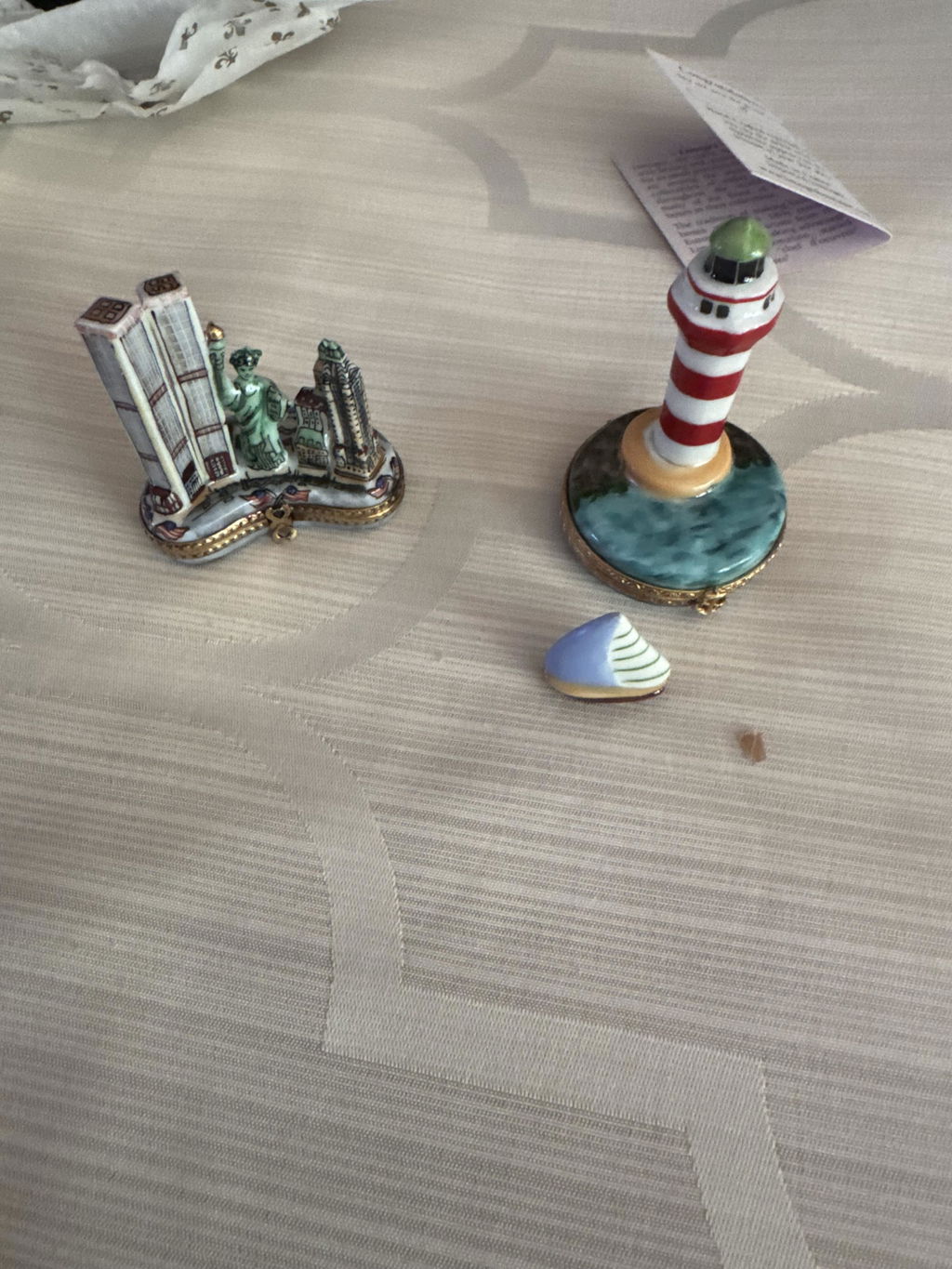
Originating from the picturesque region of Limoges in France, these charming porcelain trinket boxes are celebrated for their exquisite craftsmanship and intricate designs. Limoges boxes are often hand-painted and adorned with fine detailing, transforming simple decorative items into treasured collectibles. Their unique artistry embodies the rich cultural heritage of the French, representing not just artistry but also storytelling through their varied themes and motifs.
Beyond their physical beauty, Limoges boxes hold a special place in French culture. Historically, they were created as gifts symbolizing affection and esteem. These boxes, often associated with significant life events and milestones, carry personal value for many, reinforcing connections between generations. The tradition of gifting Limoges boxes has allowed countless families to pass down these delicate treasures, bridging past and present in their significance.
The creation of a Limoges box is a meticulous process that showcases the expert craftsmanship of artisans. High-quality porcelain is shaped and fired at high temperatures, followed by intricate hand-painting that adds character and flair. Each piece reflects the skill and passion of the artisan, ensuring that no two Limoges boxes are identical. The attention to detail, from gold trimming to delicate floral designs, underlines the importance of quality and authenticity in every creation.
As we delve deeper into the history of Limoges boxes, it's essential to appreciate their evolution over the centuries. From their inception in the late 18th century to their status as coveted collectibles today, these boxes have transcended mere decorative objects. They are now celebrated for their artistic merit and cultural significance, drawing the interest of collectors and enthusiasts worldwide. This rich historical tapestry invites a thorough exploration of how these boxes have shaped—not just the guilds that produce them—but also the cultural identity of Limoges itself.
With an understanding of their significance in French culture and craftsmanship, we can now embark on a fascinating journey through the history of Limoges boxes, discovering the stories, artists, and movements that have influenced these cherished treasures.
The Limoges box is more than just a decorative piece; it embodies centuries of artistry and craftsmanship that can be traced back to the late 18th century. This exquisite porcelain originated from the city of Limoges, France, where artisans began to adopt and adapt the techniques of Chinese porcelain. The intersection of these influences has created a rich tapestry of aesthetic beauty that remains sought after today.
Limoges porcelain began to take shape in the late 1700s, amidst a burgeoning demand for fine china in Europe. French artisans, inspired by the intricate designs and glazes of Chinese porcelain, experimented with local materials in an effort to replicate the prized East Asian ceramics. A number of clay deposits located near Limoges offered the ideal composition for high-quality porcelain, allowing craftsmen to develop the techniques that would elevate their products to a level of international prestige.
The influence of Chinese techniques was manifold, encompassing both the manufacturing processes and the artistic designs. French artisans closely studied the methods of producing hard-paste porcelain, which was durable and capable of being finely painted. The famous quote by French potter Bernard Leach reinforces this notion:
“The traditions of the East must meet the West to attain beauty.”This encapsulates the ethos behind the quest to create Limoges porcelain, merging Eastern artistry with Western innovation.
As the artistry of Limoges porcelain evolved, so too did the forms it took. By the late 19th century, the Limoges boxes emerged as a popular accessory within the realm of porcelain wares. Initially designed as trinket boxes, they represented a marriage of practicality and artistic expression. The intricate hand-painted designs often depicted romantic themes, animals, and floral patterns, making each piece a unique representation of artistic craftsmanship.
Today, the Limoges box continues to symbolize both tradition and elegance. The evolution from simple porcelain to ornate decorative items encapsulates a fascinating historical journey and highlights the skill and dedication of artisans who paved the way for this timeless craft. As collectors and enthusiasts continue to seek out these treasures, the legacy of Limoges boxes remains very much alive.
The Industrial Revolution brought unprecedented changes in various sectors, and the production of Limoges boxes was no exception. As factories replaced traditional workshops, a significant transformation in manufacturing processes occurred. This period not only boosted production but also raised the standards of craftsmanship.
With the advent of the steam engine and advancements in transportation, the Limoges pottery industry witnessed a shift from artisanal methods to mass production. Factories could now produce higher quantities of boxes at a faster rate. This shift allowed for a broader dissemination of Limoges boxes, making them more accessible to a wider audience.
During the 19th century, the introduction of new glazing techniques and firing processes led to improvements in both quality and durability. Artists in Limoges were able to create intricate designs with finer details than ever before. Additionally, the use of transfer printing techniques became popular, allowing for colorful and complex designs to be applied to the surface of the boxes efficiently.
The combination of mass production and advanced techniques contributed to a surge in demand for Limoges boxes among collectors. Increased accessibility did not diminish the artistic value; instead, it cultivated a market where both average consumers and avid collectors could appreciate the unique artistry of these pieces. This dual market created a niche for beautifully crafted boxes, resulting in skyrocketing popularity.
The growing middle class during the 19th century also played a crucial role in the popularity of Limoges boxes. As more individuals gained disposable income, the demand for decorative art pieces surged, pushing the boundaries of artistic innovation. To elucidate this shift, the following table summarizes key growth factors influencing the Limoges box market:
| Factor | Description | Impact on Limoges Boxes |
|---|---|---|
| Mass Production | Shift from handmade to factory-made items | Increased availability and affordability |
| Technological Innovations | New glazing and decoration techniques | Higher quality and durability |
| Economic Growth | Rise of the middle class | Wider market reach and appeal |
As the 19th century progressed, the melding of artistry and innovation created a lasting legacy for Limoges boxes, rooting them firmly in cultural and artistic history. The era marked a pivotal point where traditional craftsmanship evolved into a celebrated collector's item, allowing these delicate treasures to reveal their stories to future generations. Today, collectors not only cherish their beauty but also recognize the historical significance They embody the profound transformations that shaped the world during the Industrial Revolution.
The artistic styles and themes represented in Limoges box designs reflect a rich tapestry of culture and creativity that has evolved significantly over the centuries. From whimsical creations to elegant masterpieces, each box tells a story that connects its owner to the historical and artistic contexts from which it emerged.
In the early years of Limoges box production, the Rococo style dominated the scene. Characterized by its ornate detailing and asymmetrical designs, this era reflected the extravagance of the French aristocracy. Key features of Rococo Limoges boxes include:
Transitioning into the late 18th and early 19th centuries, we see the influence of Neoclassicism and Romanticism on Limoges box artistry. Inspired by classical themes and emotions, these styles showcased:
Throughout its history, the Limoges box has attracted the influence of renowned artists. Notably, the partnership with celebrated painters and artisans introduced unique techniques and themes. For example:
The methods used in decorating Limoges boxes have also undergone evolution, enhancing both durability and artistry. Noteworthy innovations include:
The rich historical context and ongoing evolution of artistic styles in Limoges boxes not only reveal the craftsmanship involved but also celebrate the enduring legacy of this French art form. As collectors continue to seek these exquisite treasures, the legacy of creativity and artistry remains vibrant and inspiring.
Deeply rooted in French history, Limoges boxes are not merely exquisite porcelain pieces; they embody the rich cultural heritage of France. Originating in the late 18th century, these decorative objects emerged from the Limoges region, famed for its fine craftsmen. As a result, they symbolize the artistic prowess of France, showcasing intricate paintwork and elaborate designs that tell stories of French traditions and culture.
In France, the presentation of a Limoges box as a gift carries a deep emotional weight. Often given during significant life events such as weddings, anniversaries, and graduations, these boxes serve as tangible expressions of regard and affection. The act of gifting a Limoges box transcends mere tradition; it conveys a message of love, remembrance, and personal connection. Each box, adorned with unique motifs and craftsmanship, encapsulates memories that bind the giver and recipient together.
Limoges boxes have also played a ceremonial role, marking important historical events in French society. Many boxes are crafted to commemorate national celebrations or significant milestones in French history, such as major victories, cultural achievements, or even revolutions. Each box acts as a physical reminder of these moments, serving not only as a keepsake but also as a conversation starter and teaching tool for future generations to understand the cultural landscape of their heritage.
The artistry involved in creating Limoges boxes elevates their status beyond mere collectibles. Each piece is a labor of love, representing the skills and dedication of artisans whose techniques have been honed over generations. This attention to detail not only signifies French craftsmanship but also highlights a commitment to preserving the cultural narrative of the region. The vibrant colors, intricate designs, and unique shapes contribute to the boxes' storytelling capabilities, making them cherished symbols of both artistic and cultural significance.
The legacy of Limoges boxes extends beyond their creation and gifting; they serve as heirlooms, connecting generations within families. Parents often pass down these treasures to their children, ensuring that the cultural significance and sentimental values attached to these boxes persist through time. As they traverse from one generation to the next, Limoges boxes foster appreciation for family history and reinforce the bond between past, present, and future.
In conclusion, the cultural significance of Limoges boxes encompasses a rich tapestry of emotions, artistry, and historical depth. They are not just beautiful objects but profound symbols intertwined with personal and collective stories that enrich the cultural fabric of France.
In recent years, there has been a remarkable revival of interest in Limoges boxes, marking a significant resurgence in their collectibility. Once seen as mere vintage items, these exquisite porcelain treasures have found new appreciation among both seasoned collectors and newer enthusiasts. This renewed enthusiasm can be attributed to the influence of modern artisans and the expanding accessibility provided by online sales platforms.
The Limoges box market today is vibrant and varied, attracting collectors from all walks of life. A few factors that contribute to its growth include:
Today's artisans play a crucial role in the revival of the Limoges box tradition. By infusing modern techniques and personal touches, they foster a dynamic aesthetic that resonates with the taste of contemporary collectors. These artisans emphasize:
The rise of online sales platforms has dramatically transformed the landscape of Limoges box collecting:
In summary, the modern revival of Limoges boxes is a testament to their enduring charm and appeal. As collectors continue to forge connections with this art form—driven by both tradition and innovation—these once niche collectibles are now celebrated for their intricate artistry and emotional connections. Whether you are a seasoned collector or just discovering the beauty of Limoges boxes, this revival presents a ripe opportunity to engage with a tradition steeped in history and artistry.
The enduring legacy of Limoges boxes is deeply rooted in the skilled craftsmanship that has been passed down through generations. As we delve into the preservation efforts surrounding these exquisite pieces, it becomes clear that maintaining the high standards of this art form is both a noble pursuit and a formidable challenge.
Today's artisans encounter numerous challenges that threaten the survival of the traditional techniques necessary for creating Limoges boxes. Among these are:
| Challenge | Description |
|---|---|
| Decline in Skilled Craftsmen | The aging population of skilled artisans has led to a significant reduction in expertise, making it difficult to find successors to carry on these time-honored traditions. |
| Competition from Mass Production | Increasing demand for affordable alternatives has resulted in mass-produced imitations flooding the market, often undermining the value of authentic Limoges craftsmanship. |
| Limited Awareness | With a modern focus on fast fashion and novelty items, the intricate beauty of Limoges boxes often remains unrecognized, making it difficult for artisans to attract a younger audience. |
To combat these challenges, various initiatives have been implemented to ensure that the traditional craftsmanship of Limoges boxes endures. These initiatives highlight a collective effort among artisans, local governments, and cultural organizations:
Technology plays an indispensable role in preserving the skills of Limoges box craftsmanship. Digital platforms have emerged as vital tools for artisans, enabling them to share their work with a global audience and educate others about the significance of their craft. Online tutorials, social media presence, and e-commerce platforms allow artisans to both showcase their creations and develop a sustainable business model, increasing the visibility of their traditional art form.
Ultimately, the preservation of craftsmanship within the Limoges box art form is a collaborative effort that reflects a vital aspect of cultural heritage. As we continue to cherish these exquisite creations, recognizing the dedication and artistry behind each piece becomes increasingly important. Engaging with this community not only promotes tradition but also allows us to play an active role in sustaining craftsmanship for future generations.
In summary, the history of the French Limoges box is a captivating journey through artistry and culture, highlighting its evolution from functional pieces to cherished collectibles. These exquisite boxes, known for their intricate designs and craftsmanship, reflect the rich heritage of Limoges porcelain and the artistry that has been preserved through centuries.
Moreover, the significance of Limoges boxes extends beyond mere aesthetics. They serve as a connection to French history, showcasing the dedication of artisans who have honed their skills through generations. Collectors and enthusiasts alike appreciate these boxes not only for their beauty but also for the stories they tell about the art and craftsmanship of the time.
As we reflect on the legacy of the Limoges box, consider its role in contemporary society. Each piece carries whispers of history, inviting us to explore and cherish the artistry of the past. Whether you're a collector or simply an admirer, take a moment to appreciate the beauty and heritage encapsulated in these works of art. What stories do your Limoges boxes hold? Join the conversation and share your experiences in the comments below!
{"one"=>"比較する2つまたは3つのアイテムを選択します", "other"=>"選択された3つのアイテムの{{ count }}"}