website website Passer au contenu
Thank You for Supporting our French Artisans - We Same Day Ship until 2pm est
Thank You for Supporting Limoges Box Artisans in France
Same Day Shipping

Pays

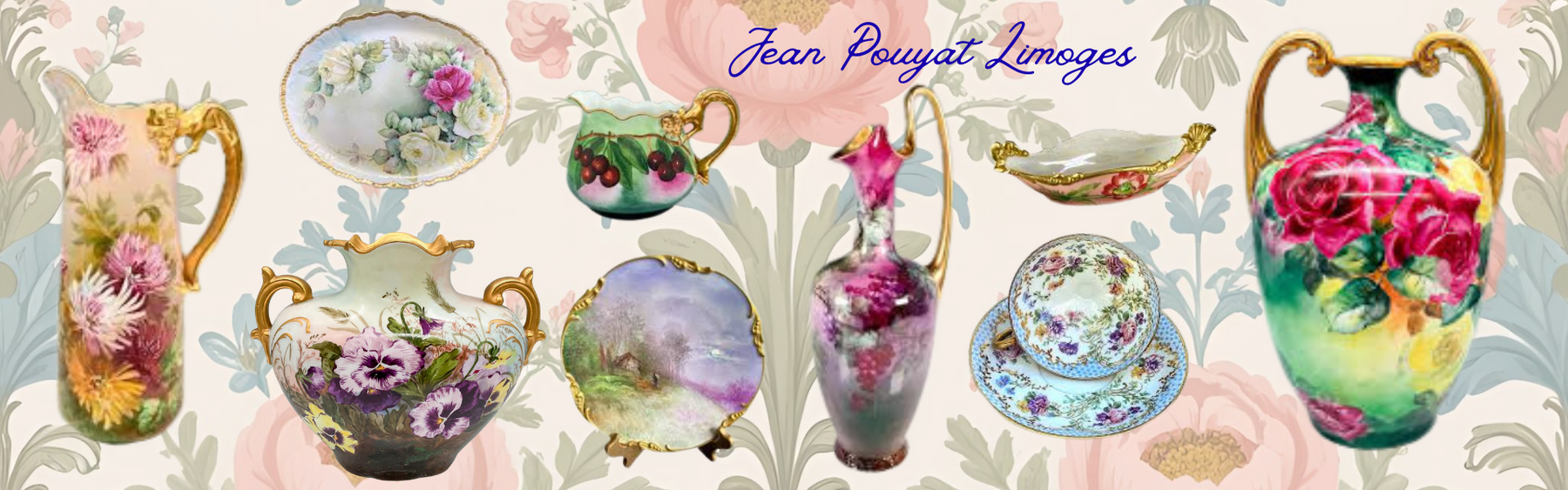
Collection of decorative porcelain pieces showcasing Jean Pouyat Limoges history with floral patterns and ornate designs

The History and Tradition Behind Jean Pouyat Limoges


Jean Pouyat Limoges stands as a beacon of French porcelain excellence, blending centuries-old traditions with innovative craftsmanship that has captivated collectors and enthusiasts worldwide. Originating from the heart of Limoges, France—a region synonymous with superior porcelain production—this brand encapsulates the elegance of the late 19th and early 20th centuries. Known for its hand-painted designs, luxurious gold accents, and timeless aesthetic appeal, Jean Pouyat pieces have adorned dining tables, display cabinets, and prestigious collections across the globe. This expanded exploration dives deeper into the historical roots of Limoges porcelain, the intricate story of the Pouyat family and their factory, the meticulous craftsmanship and enduring traditions, the collectible legacy, and the broader cultural significance that makes Jean Pouyat Limoges a cherished artifact of decorative arts history.
  • Global Influence: From its inception, Jean Pouyat porcelain transcended local boundaries, becoming a major export to markets like the United States, where both fully decorated pieces and undecorated "blanks" were highly sought after for customization.


  • Artistic Versatility: The brand's creations spanned various styles, including Victorian, Neoclassical, Art Nouveau, and even early Art Deco influences, reflecting the evolving tastes of the era and showcasing the adaptability of Limoges artisans.


  • Cultural Symbolism: Beyond mere tableware, these pieces symbolize French luxury and refinement, often featured in international exhibitions that highlighted Limoges' role in elevating porcelain from functional items to works of art.


  • Collector’s Allure: Today, Jean Pouyat items continue to draw interest for their historical authenticity and beauty, serving as tangible links to a bygone era of meticulous handcrafting in an increasingly industrialized world.
The Roots of Limoges Porcelain


The foundation of Limoges porcelain traces back to the late 18th century, when a pivotal kaolin discovery in 1768 near Saint-Yriex la Perche transformd the region's economy and artistic landscape. This pure white clay, combined with local materials akin to petuntse used in Chinese porcelain, enabled the creation of hard-paste porcelain—durable, translucent, and ideal for high-temperature firing.


Limoges quickly evolved from a center of vitreous enamel and faience production into Europe's premier porcelain hub, surpassing even Paris by the early 19th century.


  • Early Establishments: The first manufactory opened in 1771 under the patronage of the Comte d'Artois, brother of Louis XVI, initially marked with "CD" initials, and was later acquired by the king in 1784 for potential integration with Sèvres production.


  • Industrial Growth: By 1827, 16 factories operated in Limoges, expanding to over 30 by 1850, fueled by natural resources, skilled labor, and innovations like the "Blanc de Limoges" for its superior purity and firing techniques.


  • International Recognition: Limoges gained fame through world expositions, such as the 1855 Exposition Universelle, where pieces showcased elaborate decorations including floral motifs and gold filigree, establishing the region's reputation for luxury.


  • Economic Shifts: The 19th century saw a boom due to lower production costs in Limoges compared to Paris, with factories like Haviland becoming key suppliers for U.S. presidents, symbolizing global prestige.


  • Artistic Evolution: Styles progressed from traditional clusters of flowers to influences from naturalism, orientalism, japonism, and Art Nouveau, reflecting broader cultural trends and collaborations with renowned artists.


  • Modern Continuity: Even today, Limoges maintains its status with collaborations involving artists like Jeff Koons and Yayoi Kusama, blending historical techniques with contemporary designs to sustain its enduring appeal.


The Pouyat Family and Their Factory The Pouyat family's porcelain legacy predates the Limoges boom, beginning with faience production before the kaolin find, and evolving through ownership of clay deposits by the late 18th century.  François Pouyat (1754-1838), a key ancestor, partnered in early ventures like Manufacture de la Courtille and supplied kaolin to Parisian factories.


His descendants established the Limoges operations, with the factory formally founded in 1835 by grandsons Émile and Louis Pouyat, who acquired existing sites like Place des Carmes and La Varache.


  • Family Lineage: François's sons—Jean-Baptiste, Jean Duvignaud, and Léonard—managed a Paris factory from 1800 to 1823 before shifting focus to Limoges, laying groundwork for the family's expertise in porcelain production.


  • Factory Expansion: By 1840-1841, the Limoges site was fully operational, with production reaching 57,404 pieces by 1838; Émile exploited coal resources in 1854, aided by the 1856 railway, boosting efficiency.


  • Leadership Transitions: After Louis and Émile, sons-in-law like Alfred Lemaigre-Dubreuil (married 1861) and Léon Dubreuil took roles, restructuring in 1883 as “Société la Céramique, ancienne maison J. Pouyat.”


  • Export Focus: A major U.S. exporter by the late 19th century, shipping decorated items and blanks; pieces often marked "J. Pouyat Limoges" or "J.P.L." with a wreath, signifying authenticity.


  • Notable Milestones: Produced a biscuit porcelain centerpiece for the 1855 Exposition Universelle; participated in events up to 1893 Chicago, earning medals for innovation.


  • Closure and Legacy: Operations ended independently in 1912 with sale to William Guérin due to economic pressures, but the family's influence persisted through preserved works in museums like Musée National Adrien Dubouché.


Craftsmanship and TraditionsJean Pouyat Limoges exemplifies the meticulous traditions of French porcelain-making, utilizing hard-paste techniques fired at high temperatures for durability and translucency.


Renowned for hand-painted motifs like floral bouquets, red poppies, birds, and game scenes, often enhanced with gold rims and polychrome enamels, the pieces balanced artistic prestige with bourgeois accessibility.


  • Signature Techniques: Innovated with "grain de riz" (rice grain) services, involving hollowed porcelain filled with translucent enamel for depth, showcased in 1878 and 1893 expositions.


  • Firing Methods: Employed Grand Feu and Petit Feu for subtle colors, alongside pâte-sur-pâte and jours cloisonnés, adapting Chinese influences while maintaining French elegance.


  • Artistic Collaborations: Worked with talents like Paul Comoléra (Cérès riche service), Albert Dammouse, and Charles Donzel, incorporating styles from naturalism to Art Nouveau.


  • Production Balance: Focused on "les blancs de Pouyat" undecorated whites for purity, while introducing mechanized tools like the "machine à espasser" and chromolithography in 1883-1885.


  • Educational Impact: Supported the 1881 applied arts school in Limoges, fostering skilled artisans and upholding traditions of excellence amid industrialization.


  • Quality Assurance: Emphasized professional decoration over amateur blanks, ensuring high standards that distinguished Pouyat from mass-market competitors.


Legacy and CollectibilityThe legacy of Jean Pouyat Limoges endures through its historical significance and collectible value, with pieces valued for rarity, condition, and factory decoration. Common items start at modest prices, but exceptional ones like 1920 chargers can reach $4,000-$5,000.


On platforms like 1stDibs, averages hover at $555, with highs of $2,250 for antique platters and sets.


  • Auction Highlights: A partial dinner service fetched $3,250 in 2017, exceeding estimates; other examples include hand-painted trays and vases valued for their Art Nouveau handles and painterly depth.


  • Identification Tips: Look for marks like "J.P.L." or "Jean Pouyat Limoges," professional painting, and condition to verify authenticity and value.


  • Broader Influence: Contributed to Limoges' ongoing tradition, with modern pieces maintaining craftsmanship while collaborating with artists to appeal to new generations.


  • Cultural Preservation: Works in museums highlight Pouyat's role in porcelain architecture and international exports, symbolizing Limoges' blend of art and industry.


  • Market Trends: Prices vary by era—Victorian pieces often higher due to intricacy—reflecting enduring demand for items like dessert plates, mugs, and vanity trays.


  • Collector Advice: Seek rare motifs like birds or poppies; values rise with provenance from expositions, making Pouyat a wise investment in antique porcelain.


Jean Pouyat Limoges represents more than exquisite porcelain; it embodies a rich tapestry of French heritage, innovation, and artistic tradition that bridges the 18th century's kaolin fields to the 20th century's global exhibitions. From the family's faience origins to the factory's acclaimed services like Grain de Riz, Pouyat's story illustrates Limoges' evolution into a porcelain powerhouse. For collectors and admirers alike, these pieces offer a glimpse into an era of unparalleled craftsmanship—cherish them as enduring symbols of elegance and history.
  • Timeless Relevance: In a modern world, Jean Pouyat inspires contemporary designs, ensuring Limoges porcelain remains vibrant and culturally significant.


  • Personal Connection: Whether displayed or used, each item tells a story of skilled artisans, family legacy, and artistic passion that transcends time.


Article précédent Discover the Charm of Three Men in a Tub Collectible Boxes
Articles suivant 10 Stunning French Limoges Porcelain Decor Ideas to Elevate Your Home

Laisser un commentaire

Les commentaires doivent être approuvés avant d'apparaître

* Champs obligatoires

Comparer les produits

{"one"=>"Sélectionnez 2 ou 3 articles à comparer", "other"=>"{{ count }} éléments sélectionnés sur 3"}

Sélectionnez le premier élément à comparer

Sélectionnez le deuxième élément à comparer

Sélectionnez le troisième élément à comparer
Comparer