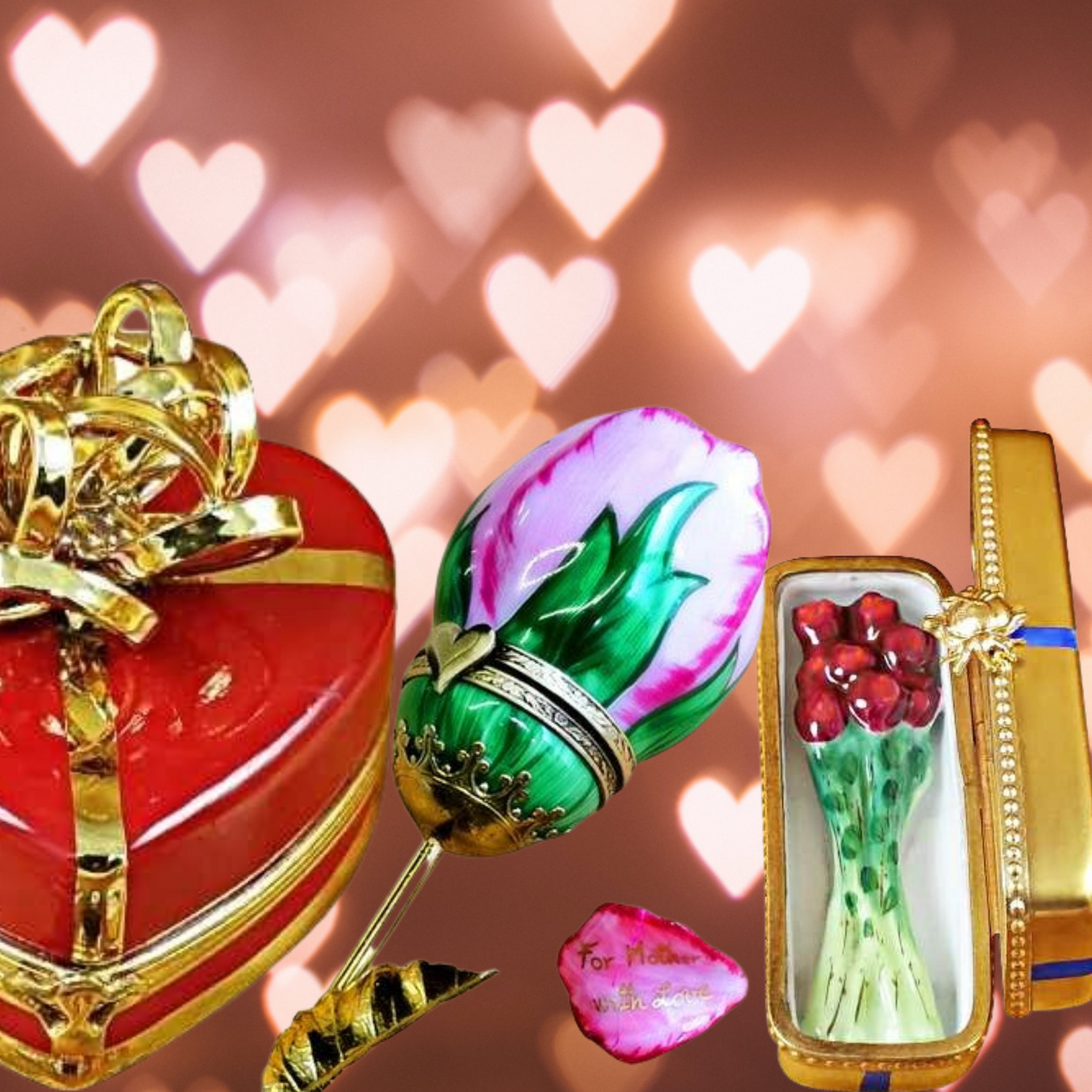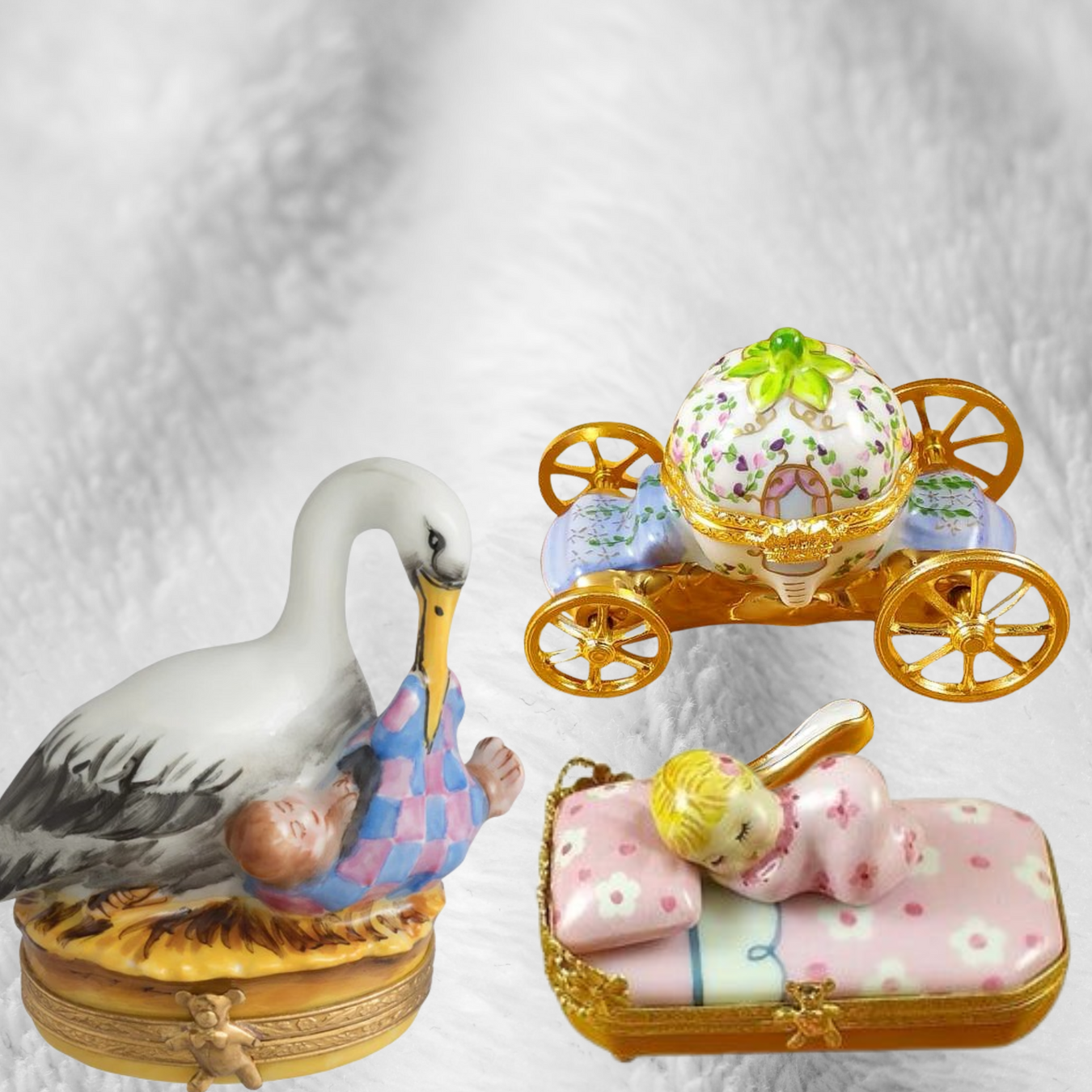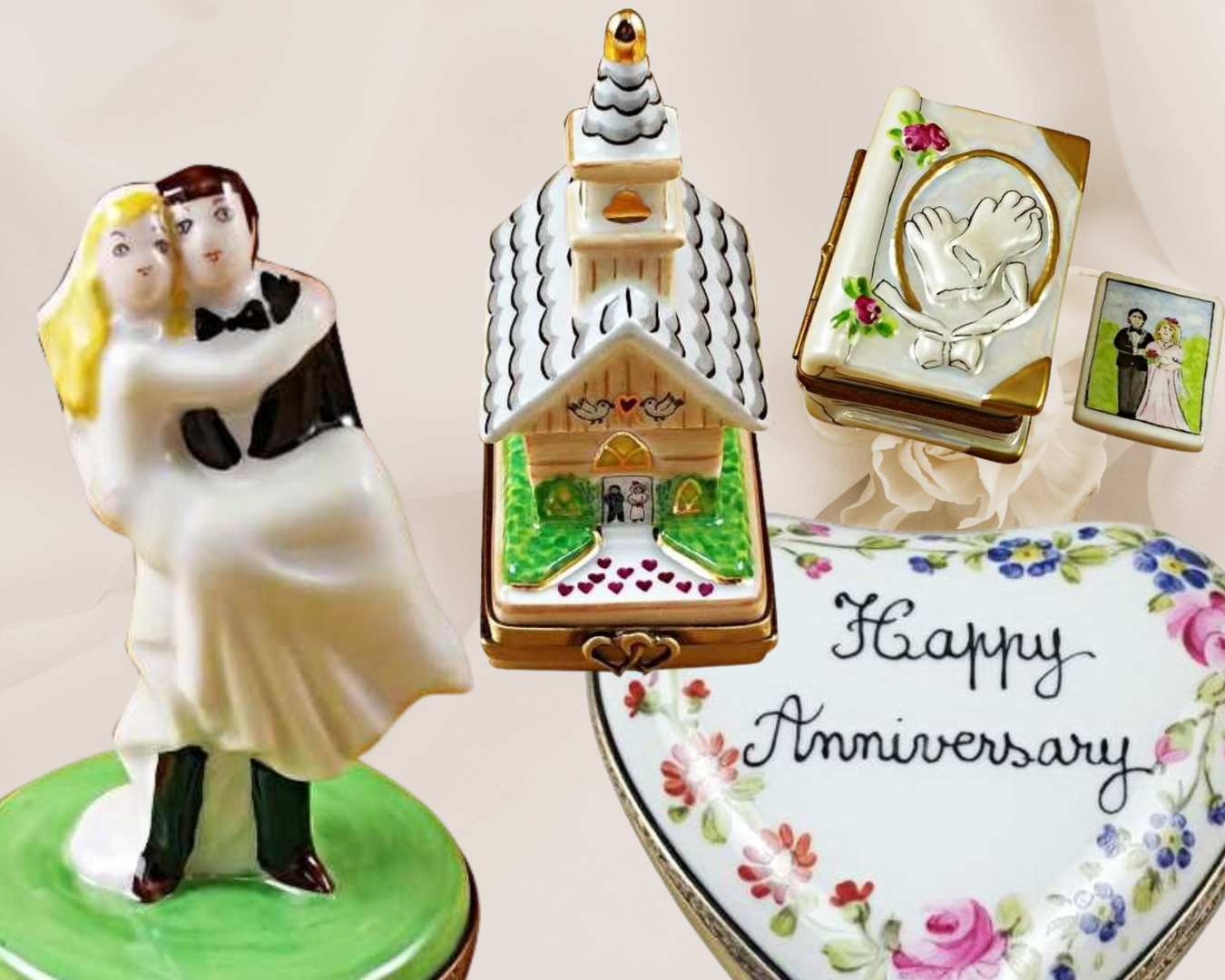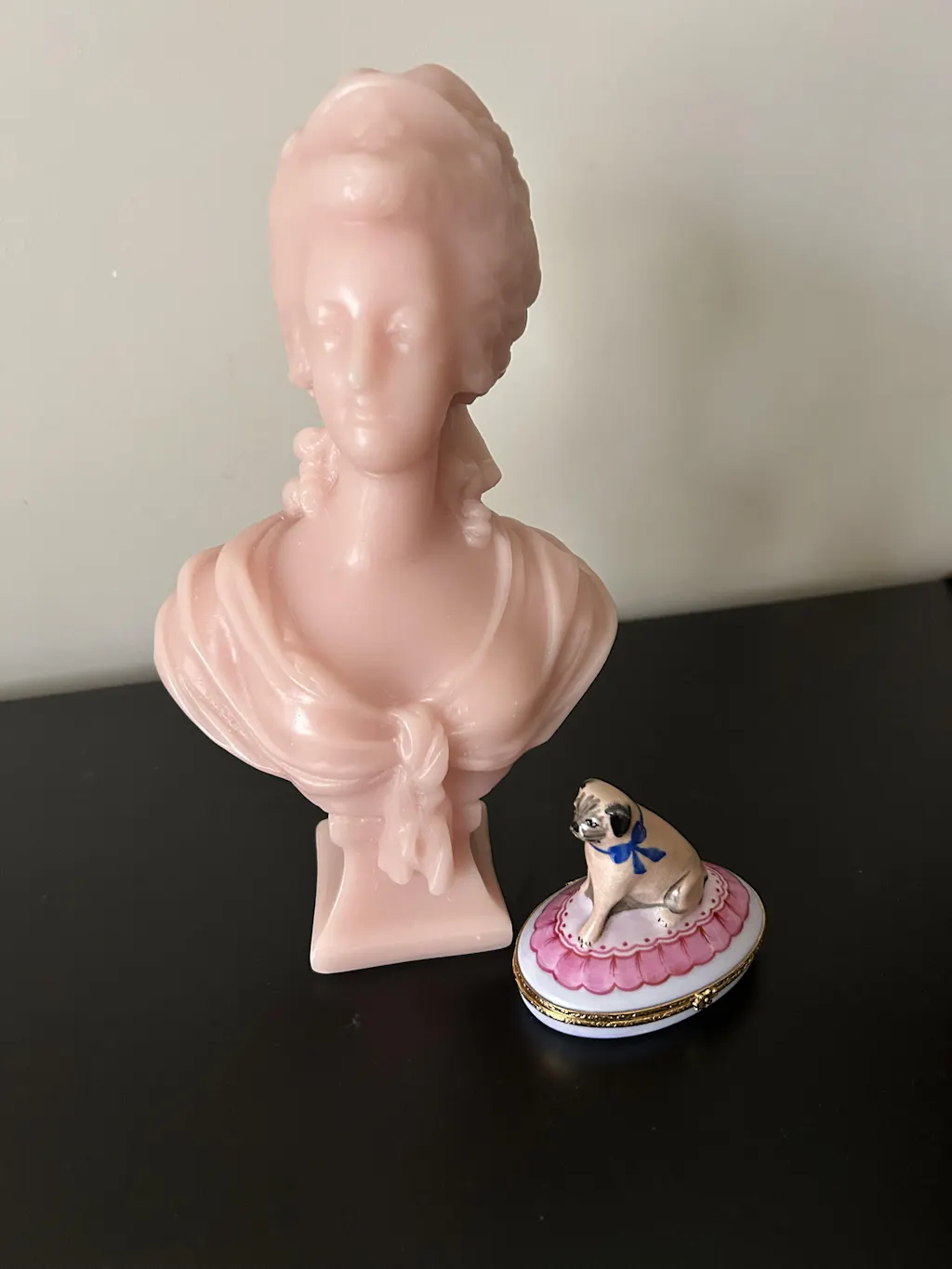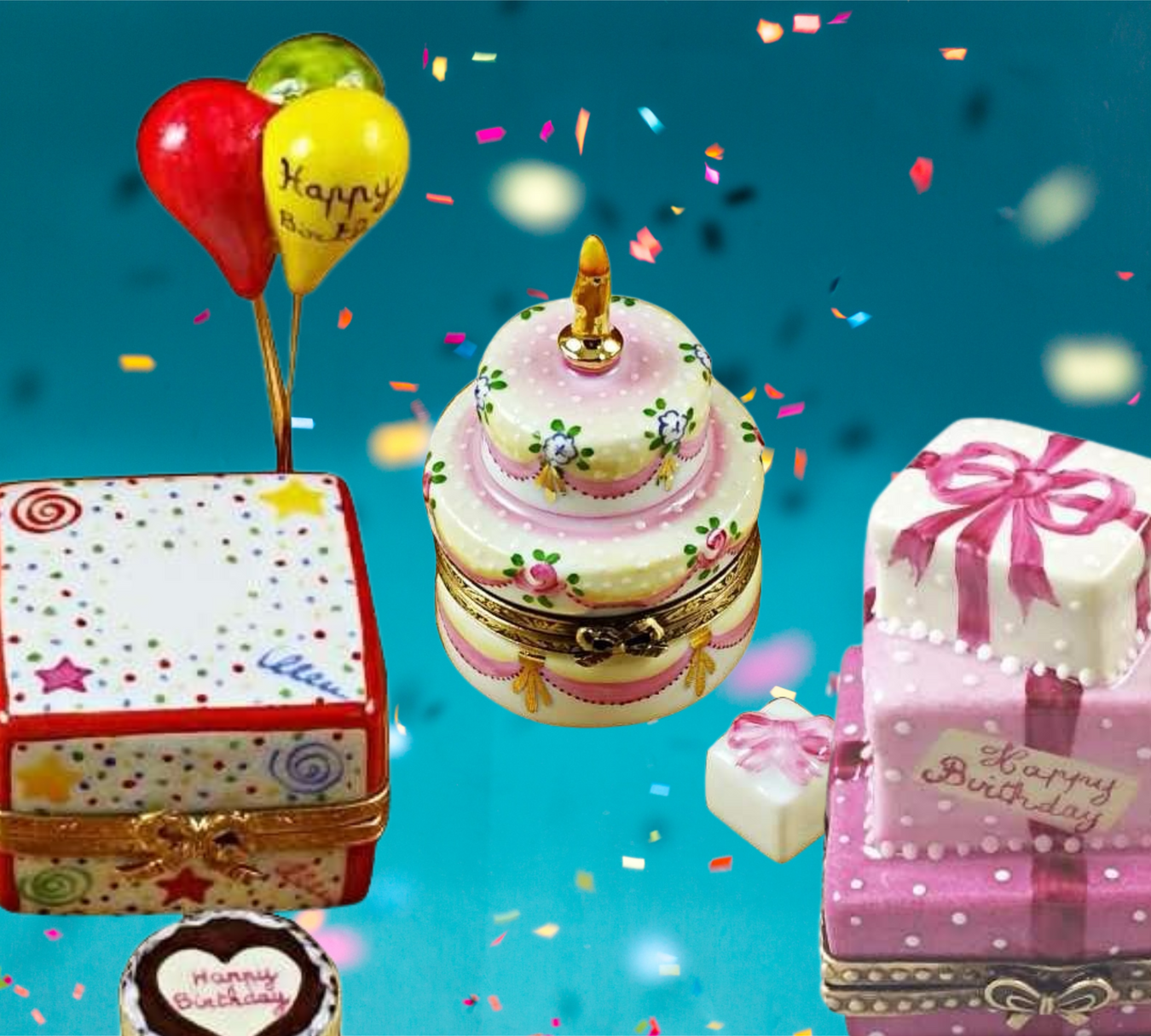
Birthday & Zodiac
Celebrate Another Trip Around the Sun


Our collection includes floral Limoges boxes, holiday designs, animal figurines, travel themes, romantic gifts, and rare collectible treasures. Whether you are searching for a meaningful birthday gift, an heirloom-quality collectible, or a distinctive accent for your home, you will find hand-painted porcelain boxes that reflect elegance, craftsmanship, and timeless charm.
Every authentic Limoges box in our boutique celebrates the artistry of French porcelain. These collectible trinket boxes are loved for their rich colors, delicate painting, and hidden surprises inside. From traditional styles to whimsical designs, our curated selection brings together pieces that are ideal for gifting, displaying, and collecting.

Authentic Limoges boxes crafted in France have long been cherished for their beauty, refinement, and timeless allure. Born in the renowned Limoges region and treasured by collectors around the world, these hand-painted French porcelain trinket boxes are celebrated for their delicate elegance, luminous color, and exceptional craftsmanship. Both graceful and enduring, they are created to hold not only precious keepsakes, but also the sentiment, romance, and enduring charm that make fine porcelain so unforgettable.


Authentic Limoges boxes imported from France Hand-painted porcelain with exceptional detail Unique collectible gifts for special occasions Wide selection of traditional, seasonal, and rare designs Trusted source for elegant French porcelain keepsakes Whether chosen as a rare collectible or a meaningful gift for a wedding, birthday, graduation, or holiday, an authentic Limoges box offers a timeless expression of elegance and sentiment. Each piece is created to delight the eye, honor the occasion, and become a treasured keepsake for generations to come. With every box, you are welcoming a small work of art into your life—one that carries beauty, history, and the enduring romance of French craftsmanship.
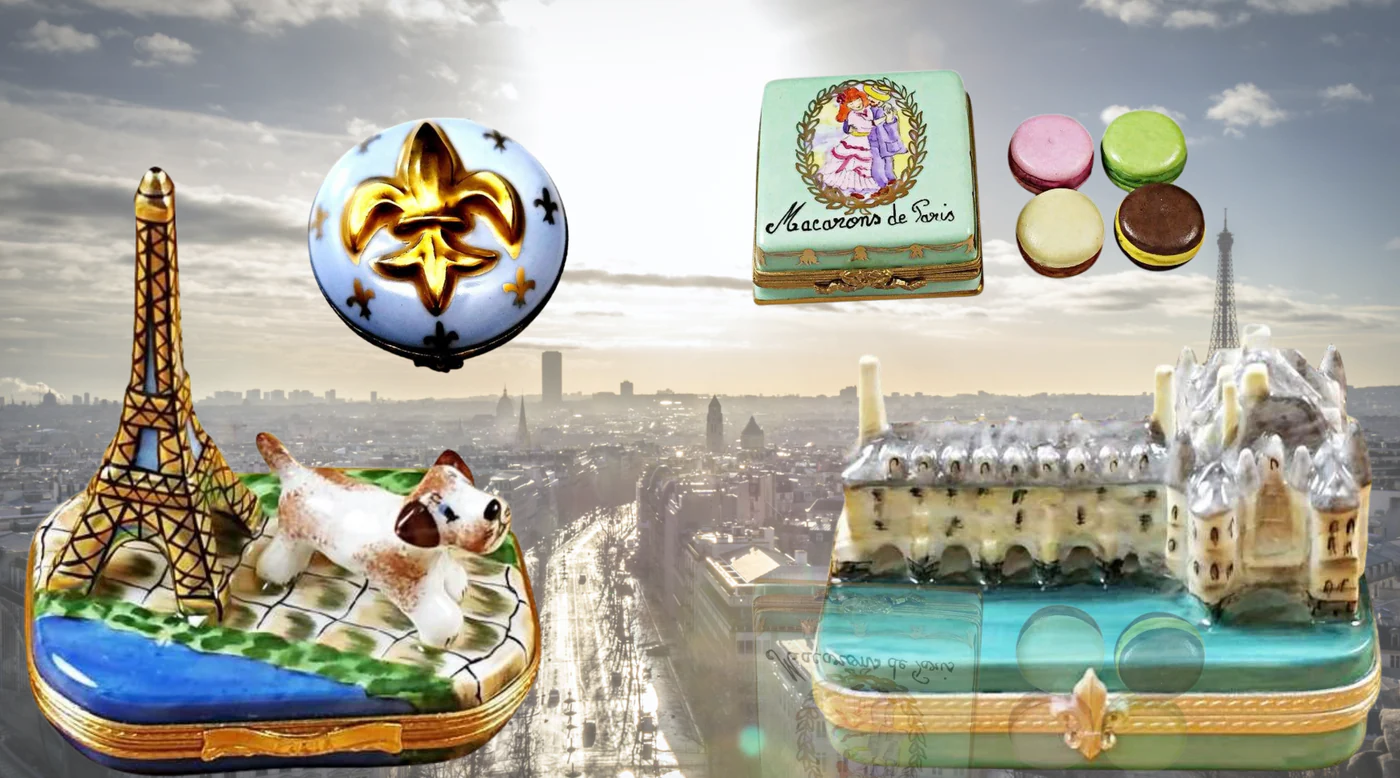
For more than 20 years, we have been privileged to present authentic hand-painted Limoges boxes shaped by the beauty and heritage of France. As an official representative of both Rochard Limoges Boxes and Artoria Limoges Boxes we offer exquisite French porcelain treasures marked with Peint Main, Limoges, France, and the signatures of the artisan workshop or atelier. Explore our France-inspired collections, newest arrivals, and cherished classics—each one a reflection of the refinement, romance, and artistry of the Limoges tradition.


We proudly feature Rochard Limoges Boxes for their extraordinary detail, refined artistry, and rich finish. We also offer a distinguished selection of authentic Limoges boxes from celebrated factories and ateliers, including Artoria, PV, Elda Creations, Chamart, La Gloriette, GR, Limoges Fusion, PPA, and other esteemed maker signatures.
Customize a special Limoges box with our in-house artist to honor life’s most meaningful occasions. We also offer larger custom orders through our partner factories in France, with names, dates, or personal messages added to create a keepsake of lasting beauty.

Explore common Limoges box marks and signatures, with helpful guidance on authenticity, origin, and the details collectors often look for. We also offer quick appraisals for inherited pieces, treasured finds, family heirlooms, and beloved collectible porcelain keepsakes.

A brief history of the Limoges china and porcelain industry, from its early rise of its growth to the royal patronage that helped shape its legacy. Limoges porcelain remains one of the most admired expressions of French craftsmanship, held in high esteem in France and throughout the world.
A Limoges box is a small hand-painted porcelain trinket box created in the Limoges tradition of France. Admired for its artistry, detail, and collectible beauty, it is both a decorative treasure and a meaningful keepsake.
Authentic Limoges boxes are made in France and are closely associated with the Limoges region, which is celebrated for its porcelain heritage. Their French origin is one of the qualities that makes them so treasured by collectors.
An authentic Limoges box typically bears markings associated with Limoges, France, along with details that reflect hand-painted workmanship and the identity of the artist, factory, or atelier. These marks help confirm both origin and authenticity.
Peint Main means “painted by hand” in French. On a Limoges box, it signifies the tradition of hand-painted artistry that gives each porcelain piece its individuality and charm.
Limoges boxes are collectible because they combine fine French craftsmanship, hand-painted detail, and limited production with enduring beauty. Many collectors value them for their artistry, rarity, and timeless appeal.
Yes. Limoges boxes make elegant and memorable gifts for weddings, anniversaries, birthdays, holidays, graduations, and other meaningful occasions. Their beauty and sentiment make them keepsakes to be treasured for years to come.
While an individual artist's signature isn't a requirement for every Limoges box, certain mandatory markings must be present to guarantee the piece is a genuine work of French porcelain.
Metal mounts are the strongest part of the box and should be the primary touchpoint when opening.
Spectacular Piece !! The picture does not do justice. I received the Limoges Box within 2 days of shipping.
Jeanne M. Hall
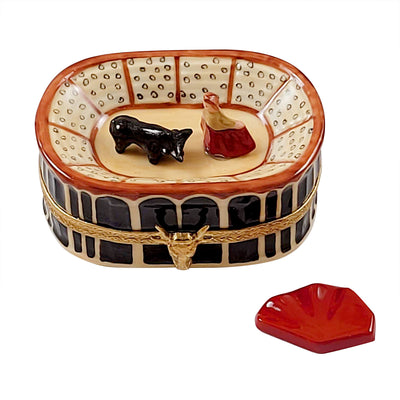
Great Limoges High End Wrapped Well. Great Seller. Lightining Fast Shipping. Limoges Box Overnight. .Well Packed. Great Quality
Clay Carpenter
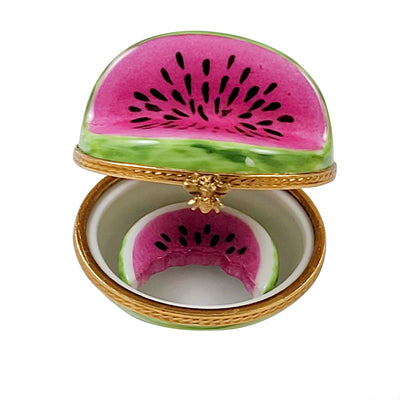
Perfect Watermelo to add to my fruits Limoges Box collection . Love all Limoges❣️
Marti Winby
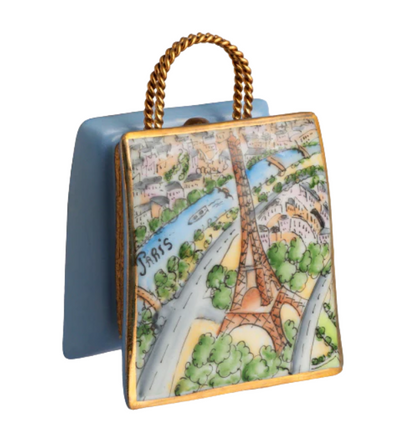
You did it Again. Last Minute Rush, and she ran to the post off for Express Shipping at 4pm. Mira is a Gem. Her Limoges is beautiful
Philip Kupperman
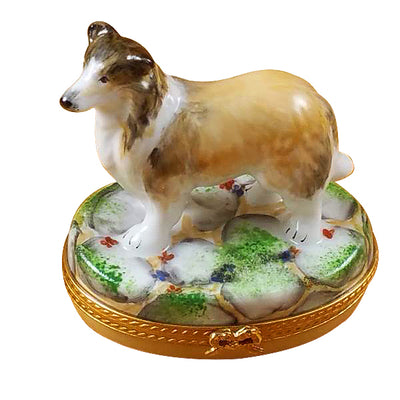
First Rate Limoges. Fast shipment, quality French Porcelain.
Amanda Ackerman
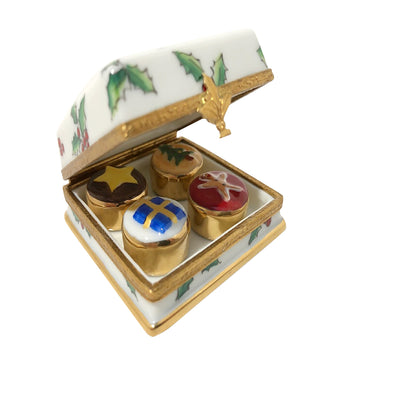
Beyond Expectation. This Limoges Box is beyond words.
Philip Kupperman
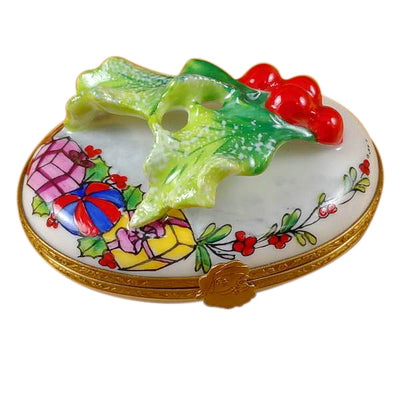
Pleasure Doing Business with you as always. My Limoges Box Favorite.
Tammy Schooley

Introduction The Alice in Wonderland Limoges box collectible represents a unique blend of artistry, storytelling, and functionality. This exquisite hand-painted Alice in Wonderland trinket box captures the whimsy of Lewis Carroll’s classic tale while showcasing the high-quality craftsmanship of Limoges...

Introduction The Candy Cane Christmas Limoges Box is a stunning example of artisanal craftsmanship that blends tradition with luxury. This hand-painted Limoges porcelain trinket box embodies the rich heritage of authentic French Limoges Christmas boxes. Collectors and holiday enthusiasts alike...

Introduction Why the Blue Eiffel Tower Limoges Box Is the Ultimate Luxury Jewelry Storage and Parisian Keepsake You’ll Treasure. The Blue Eiffel Tower Limoges Box represents a captivating blend of artistry and functionality, merging hand-painted porcelain trinket boxes with the...
For more than 20 years, we have devoted ourselves to authentic hand-painted Limoges boxes, curating one of the most distinguished collections in the United States. With more than 6,500 unique pieces sourced from the Limousin region of France, our collection reflects the beauty, rarity, and refinement that define true Limoges porcelain. Each piece is chosen with a collector’s eye for artistry, authenticity, and enduring charm, whether selected as an elegant gift, a treasured keepsake, or a meaningful addition to a growing collection.
From timeless classics to rare and highly collectible designs, our assortment honors the enduring heritage of French porcelain and the extraordinary craftsmanship that continues to make Limoges boxes so admired around the world. Many of these exquisite pieces carry a quiet romance as well, created to hold memory, sentiment, and affection in a form both delicate and enduring. Whether chosen for love, celebration, gift giving, or collecting, each Limoges box is a small work of art meant to be cherished for generations.
Search by Theme, Occasion, or Design
{"one"=>"Select 2 or 3 items to compare", "other"=>"{{ count }} of 3 items selected"}