Collections
Browse by Collections
Browse by Collections


A beloved porcelain treasure can hold more than sentimental meaning. A thoughtful Limoges box appraisal helps establish what an authentic hand-painted box may be worth, whether it was inherited, purchased years ago, or chosen to mark a wedding, holiday, or milestone. The details matter greatly: French origin, the quality of the painting, maker marks, condition, rarity, and the story behind the piece all contribute to a credible valuation.
For collectors, an appraisal is not simply a number attached to a charming hinged box. It is a closer look at the artistry and heritage held in the palm of your hand.
A professional appraisal can serve several purposes, and the purpose affects the value conclusion. An insurance appraisal generally reflects replacement value - what it could cost to obtain a comparable authentic piece through an established specialty source. An estate appraisal may seek fair market value, which is typically more conservative. A resale estimate considers what a willing buyer might reasonably pay in the current secondary market.
These figures are not interchangeable. A box that would cost a certain amount to replace in a curated retail collection may bring less at an estate sale or auction, where presentation, timing, buyer interest, and competition all play a role. Knowing which type of value you need prevents disappointment and helps ensure the appraisal is useful for its intended purpose.
An appraisal also brings clarity when a collection is being insured, divided among family members, donated, or considered for sale. It can identify pieces that deserve special attention rather than being grouped with ordinary decorative porcelain.
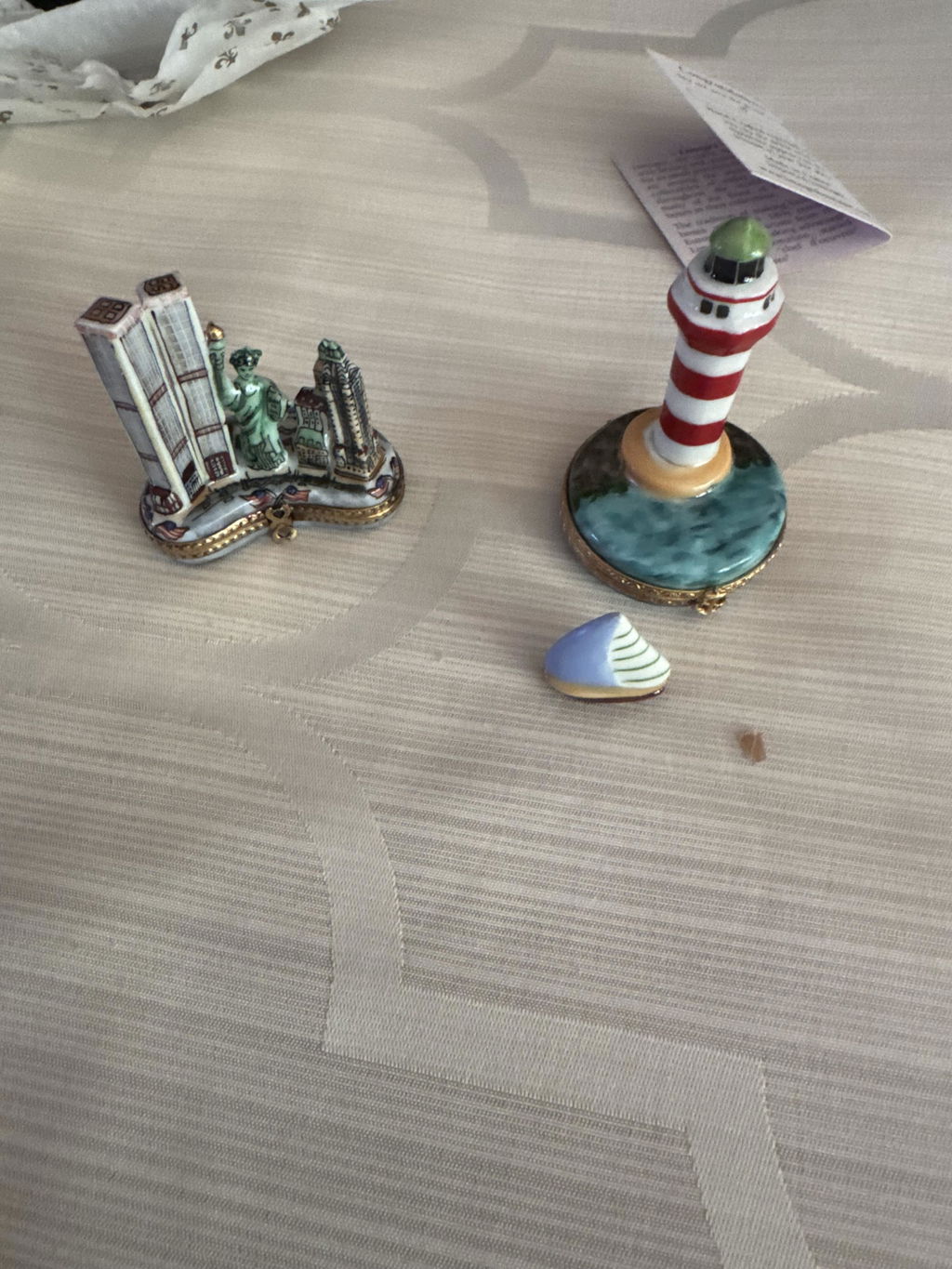
The word Limoges refers to a historic French porcelain tradition, not merely a style of small painted boxes. Authentic Limoges boxes are made from fine hard-paste porcelain in Limoges, France, then hand-painted and fitted with their distinctive metal hinges and clasps. This combination of material, handwork, and place of origin is fundamental to collectible value.
A qualified reviewer will begin with the underside. Authentic pieces commonly bear a Limoges, France designation, along with a maker, studio, artist, or decorator mark. Marks may be painted, printed, impressed, or presented in more than one form. Their appearance varies by workshop and period, so a mark should never be judged in isolation.
A box marked only Limoges can require further examination. Conversely, the presence of a familiar mark does not automatically establish rarity, age, or high value. The porcelain quality, painting, hardware, and overall construction must support the attribution. Reproductions and Limoges-style trinket boxes can be charming decorative objects, but they do not carry the same collector standing as an authentically French-made example.
Fine hand painting is one of the pleasures of collecting Limoges boxes. An appraisal considers the precision of the brushwork, richness of color, level of detail, use of raised enamel or gold accents, and the skill required to create the design. A simple motif can be beautifully executed and desirable, while an elaborate figurine may command more because of its sculptural complexity and the labor involved.
Look closely at small details: facial features on a figurine, petals on a flower, feathers on a bird, or miniature scenes inside the box. A hand-painted interior surprise can add appeal, especially when it is crisp, imaginative, and relevant to the exterior design.
Not every limited or discontinued piece is automatically valuable. Rarity matters when collectors want the subject, maker, or series. A finely made box with a sought-after theme - such as a detailed holiday design, a rare animal, a wedding keepsake, or a retired travel motif - may attract stronger interest than a more common form.
Demand can also be personal and cyclical. A collector building a particular category may pay a premium for the missing piece in a series, while another buyer may favor a classic floral, animal, or Paris-themed box. Appraisal work should balance rarity with actual market appeal rather than relying on a production number alone.
Condition is often the dividing line between a valuable collectible and a piece best enjoyed for its sentimental charm. The porcelain should be examined under good light for hairlines, chips, cracks, restored areas, paint loss, and worn gilding. Even a small flaw can affect value, particularly on a rare or high-end box.
The metal mount deserves equal attention. A proper hinge should open and close smoothly, sit securely, and align well with the box. The clasp should function as intended and suit the design. A replaced clasp, bent mount, loose hinge, or poorly matched metal fitting can reduce value, although a sympathetic professional repair may be preferable to further damage.
Original presentation can help as well. A fitted box, certificate, receipt, or documentation from a respected source may support provenance and replacement value. These extras are rarely more important than the porcelain itself, but they make a collection easier to document and care for.
Older does not always mean more valuable. Many contemporary French Limoges boxes are highly collectible because they are hand-painted, beautifully constructed, and made in limited quantities. Age is only one part of the picture.
Still, a well-documented older piece, a box from a noted atelier, or a special commission can merit closer study. Provenance is especially meaningful when records connect a piece to a collection, artist, event, or original purchase. A personalized box may carry tremendous family significance, though personalization can narrow its resale audience. This is one area where emotional and market value may differ.
Clear information allows a specialist to give a more informed preliminary opinion. Before requesting an appraisal, gather the box itself along with any paperwork you have retained. Strong photographs are particularly helpful for remote review.
Photograph the piece from the front, back, sides, and open position. Include a sharp image of every mark on the underside, the interior, the hinge and clasp, and any condition concerns. If there is a chip, crack, repair, or missing element, show it plainly. Honest documentation protects the integrity of the valuation and saves time later.
If you know when or where the box was acquired, include that information. A dated receipt, original gift note, certificate, or record of purchase can help establish provenance. Do not clean aggressively before an appraisal. Abrasive cleaners, soaking, or attempts to polish metal fittings can damage delicate paint, gilding, and hardware. A soft, dry cloth is usually the safest choice for routine dusting.
One frequent mistake is using the original purchase price as the present value. Retail pricing reflects the cost of authentic French production, current availability, service, and the retail environment at the time of purchase. The secondary market follows different conditions.
Another is assuming every box with a Limoges reference is French-made and hand-painted. Careful review of marks and construction is essential. Finally, collectors sometimes overlook condition because a flaw is difficult to see at first glance. A professional assessment is more useful when it acknowledges imperfections plainly and weighs them against rarity and desirability.
Limoges Boutique has spent 25 years helping collectors understand authentic French Limoges porcelain, including the details of marks, craftsmanship, and appraisal support that distinguish a genuine collectible from a decorative imitation.
For insurance purposes, it is wise to review an appraisal periodically, especially after adding significant pieces to a collection or when retail replacement costs change. A review every few years is often sensible, though the right timing depends on the size of the collection and the policy requirements of your insurer.
Keep your photographs, purchase records, and prior appraisal documents together. A simple inventory with descriptions, marks, dates acquired, and condition notes makes future updates far easier. It also gives loved ones a clearer understanding of the collection you have assembled with care.
Every authentic Limoges box reflects the patience of French artisans and the occasion or affection that brought it into your home. Treating that small work of porcelain art with informed attention is one of the loveliest ways to preserve its story for the next collector or recipient.
{"one"=>"Seleccione 2 o 3 artículos para comparar", "other"=>"{{ count }} de 3 artículos seleccionados"}
Seleccione el primer artículo para comparar
Seleccione el segundo artículo para comparar
Seleccione el tercer elemento para comparar